The Core Question: Skill, Safety, and Stakes
Every car owner faces the same recurring decision: pick up a wrench or hand the keys to a mechanic. The answer isn't one-size-fits-all. It depends on three factors — your genuine skill level, the safety implications of the task, and what goes wrong if something is done incorrectly.
If you're new to vehicle ownership, our plain-English introduction to car maintenance is a useful starting point before deciding which tasks to tackle yourself. Understanding what's under the hood is the prerequisite to working on it responsibly.
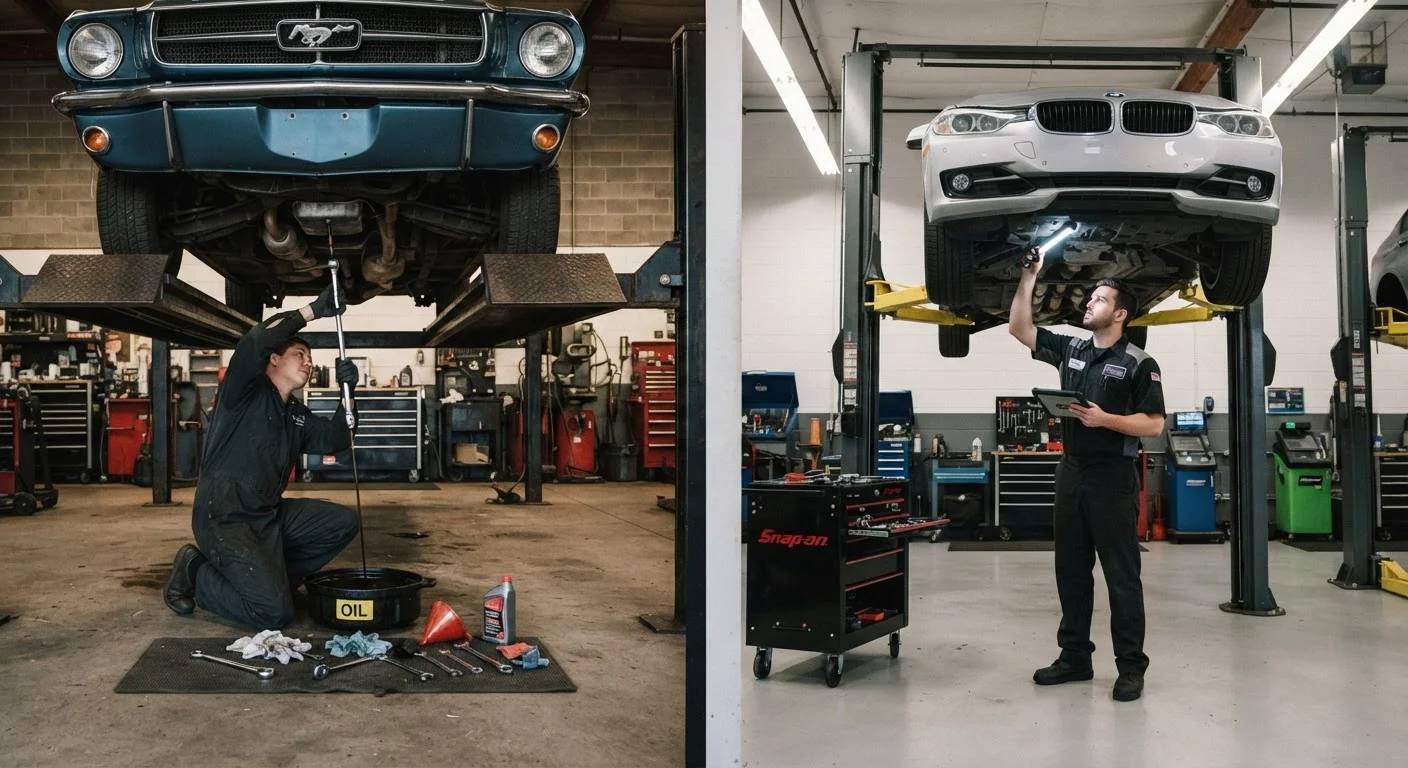
A useful mental framework: separate tasks into two categories. Maintenance — routine upkeep like fluid checks, filter replacements, and wiper swaps — tends to be DIY-friendly. Repairs — diagnosing faults, replacing worn mechanical or electronic components — usually demand more expertise, proper tools, and sometimes specialized equipment only a shop possesses.
Advantages of Doing It Yourself
There are genuine, meaningful benefits to handling your own car maintenance when the task is appropriate for your skill level.
Saves money on labor costs
Labor typically represents 50–70% of a shop bill. Handling straightforward tasks yourself eliminates that charge entirely, which adds up meaningfully over a vehicle's lifespan.
Builds genuine mechanical familiarity
Regularly working on your own vehicle deepens your understanding of how it operates, making it easier to describe symptoms accurately when you do visit a shop.
Flexible scheduling on your timeline
You're not waiting for a shop appointment or arranging alternative transportation. Simple tasks can be done on a weekend morning without disrupting your week.
Control over parts quality
You choose which parts go into your vehicle — OEM (original equipment manufacturer), high-quality aftermarket, or a brand you've researched — rather than defaulting to whatever a shop stocks.
Immediate satisfaction and skill development
Successfully completing a maintenance task builds confidence and a transferable skill set that reduces dependence on shops for routine work over time.
Beyond the financial and skill aspects, DIY maintenance also gives you direct visibility into your vehicle's condition. When you change your own air filter, you're also inspecting the surrounding components. That kind of firsthand familiarity can help you catch developing issues earlier — something that matters more as a vehicle ages. See our guide on caring for high-mileage vehicles for tasks where this vigilance pays off most.
Disadvantages and Real Risks of DIY
DIY maintenance has a less glamorous side that deserves equal attention. The risks aren't hypothetical — they show up regularly when drivers overestimate their abilities or underestimate a job's complexity.
Risk of costly mistakes on complex jobs
An incorrectly torqued brake caliper bolt or a misrouted timing belt can cause catastrophic failure. The repair bill for correcting a DIY error frequently exceeds what the original professional service would have cost.
Upfront tool investment can be significant
Beyond basic hand tools, many jobs require torque wrenches, jack stands, specialty sockets, or diagnostic scanners. These costs can eliminate the savings for a first-time task.
Modern vehicles require specialized diagnostics
Today's cars rely heavily on interconnected electronic control modules. Many faults cannot be properly diagnosed or reset without professional-grade scan tools that cost thousands of dollars.
Potential warranty implications
Improper maintenance documentation or use of non-approved parts can create complications with manufacturer or extended warranties, particularly on newer vehicles still under coverage.
Time investment is often underestimated
A task that takes a professional 30 minutes can take a first-timer three hours, especially when encountering seized bolts, unexpected corrosion, or unclear assembly steps.
Safety hazards if procedures aren't followed precisely
Working under an improperly supported vehicle or mishandling brake fluid, refrigerant, or battery acid poses genuine physical risk. Professional mechanics have training and equipment to manage these hazards.
It's also worth noting that deferred or incorrectly performed maintenance compounds over time. The long-term cost of skipping or botching routine maintenance is well documented — what seems like a money-saving shortcut often results in a much larger repair bill later.
What Belongs in Your Driveway vs. a Professional Shop
Drawing a clear line between DIY-appropriate and shop-required tasks is the most practical thing any driver can do.
Generally safe for careful DIY:
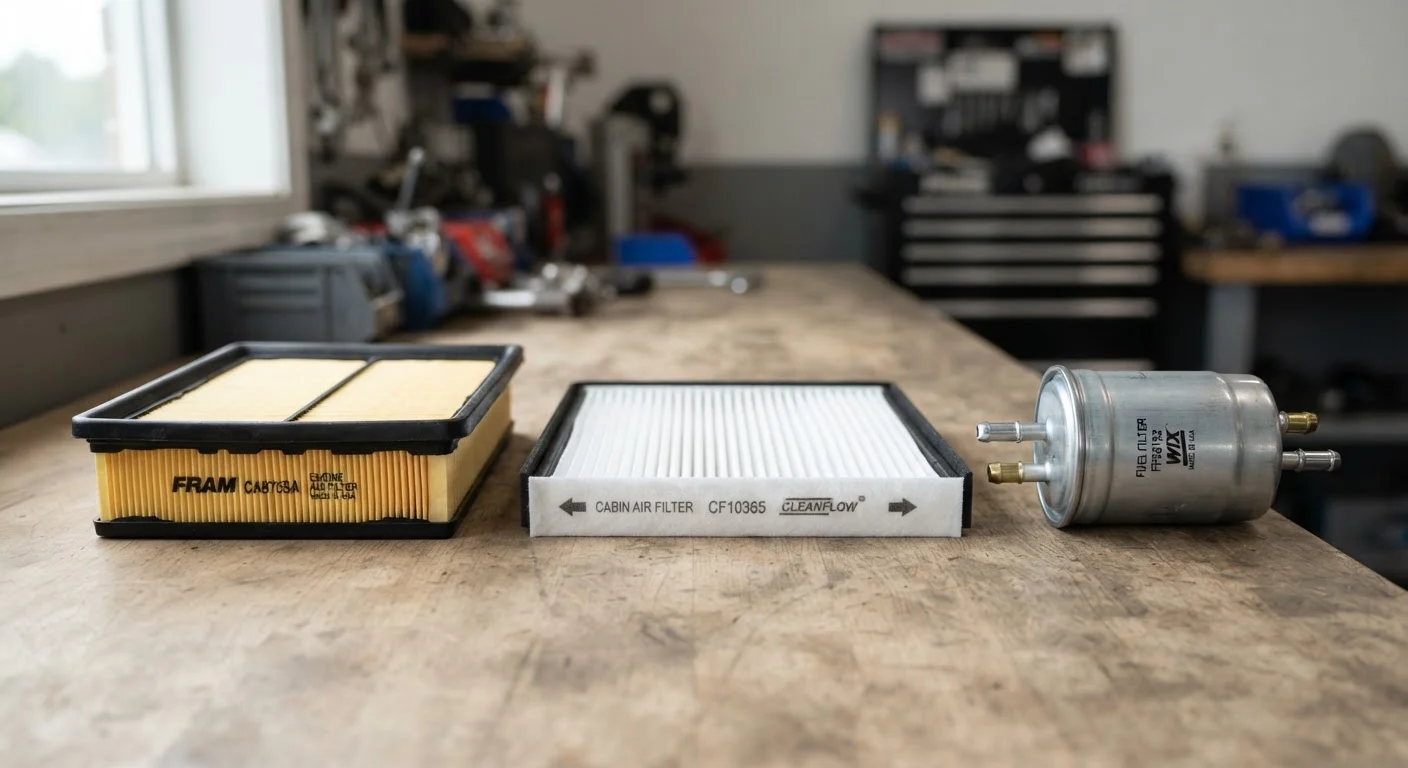
- Engine air filter and cabin air filter replacement
- Windshield wiper blade replacement
- Checking and topping off fluids (oil, coolant, brake fluid, washer fluid)
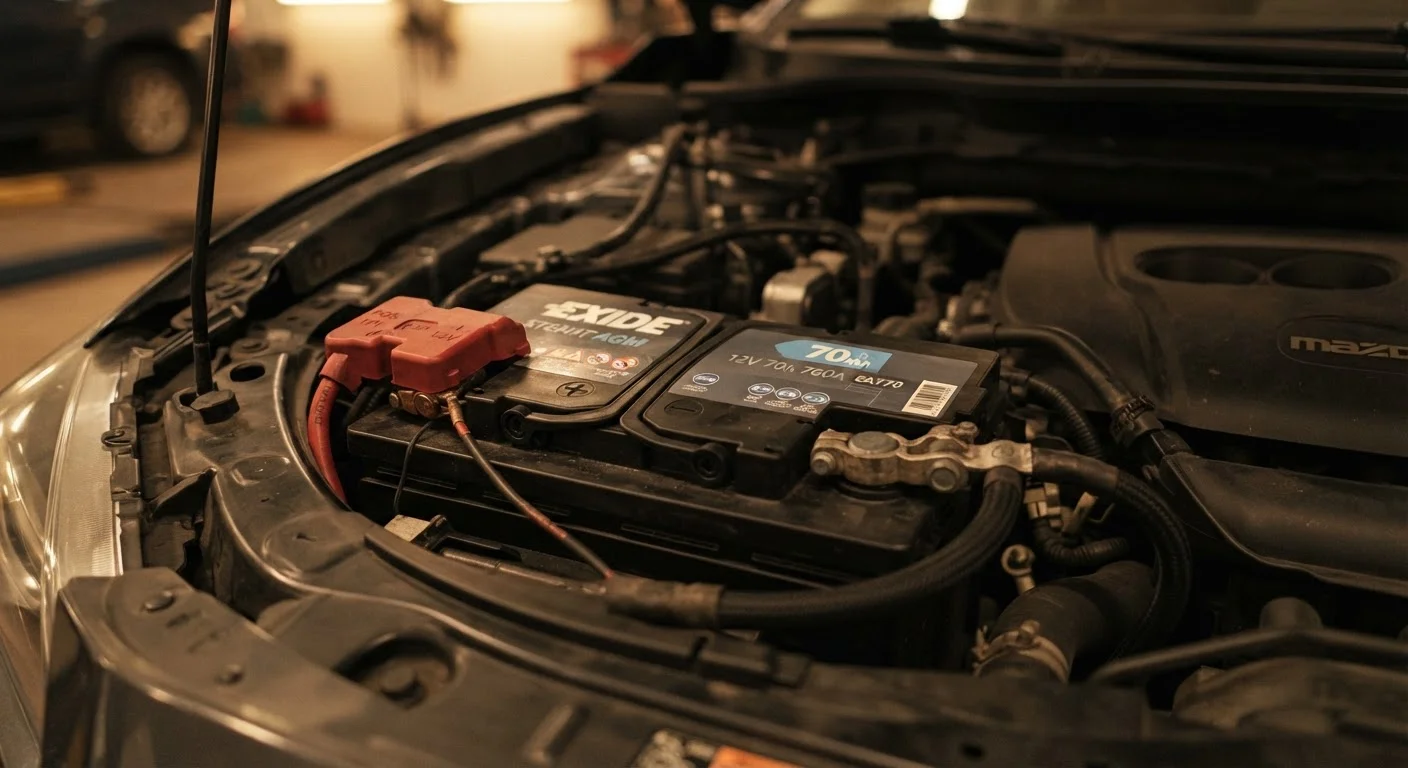
- Battery terminal cleaning or battery replacement (on most vehicles)
- Tire pressure checks and inflation — see our guide to checking tire tread and pressure at home
- Spark plug replacement on accessible engines
Tasks that typically require a professional:
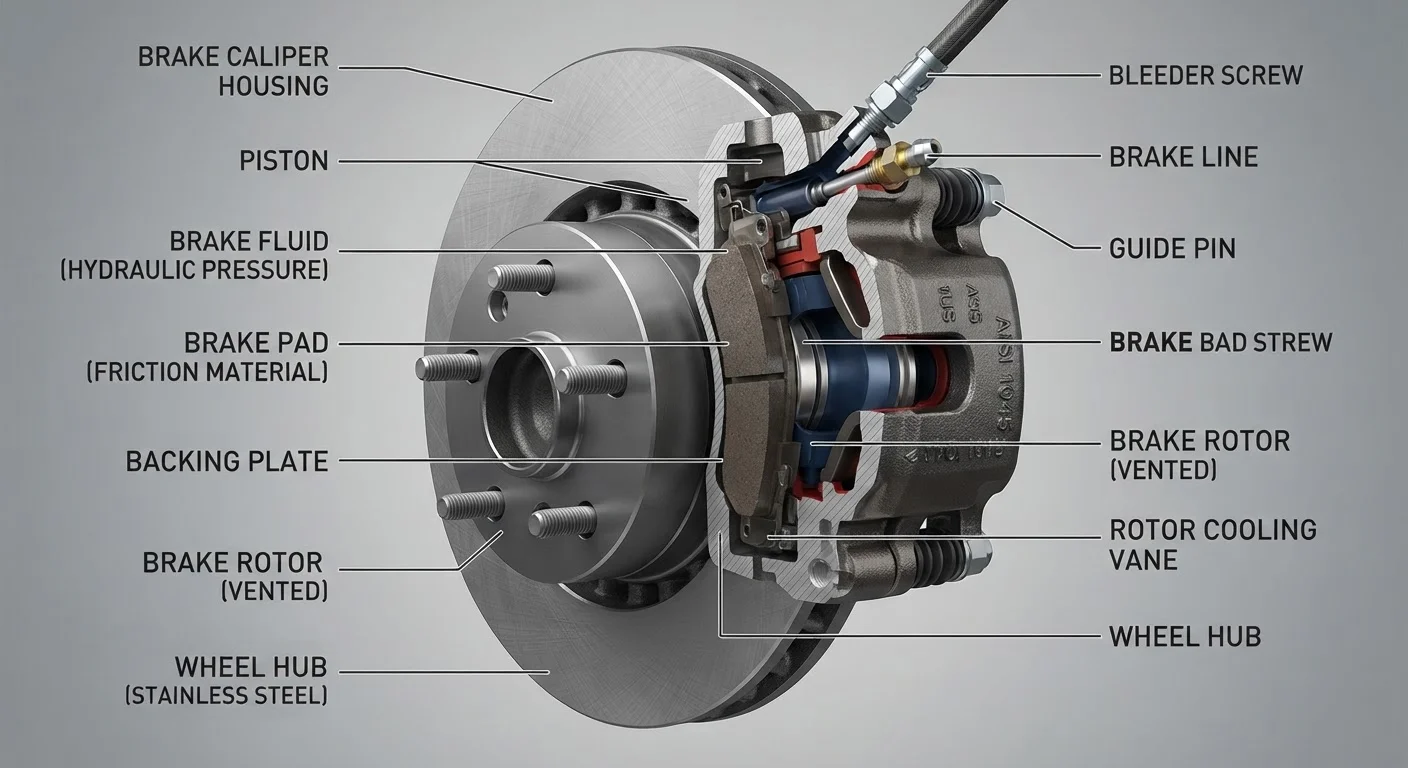
- Brake pad, rotor, or caliper replacement (safety-critical; improper work endangers everyone in the vehicle)
- Suspension and steering component replacement
- Transmission service or repair
- Timing belt or timing chain replacement
- Any work requiring OBDII diagnostic software or module programming
- Air conditioning recharge (regulated refrigerant handling requirements apply)
Check Your Owner's Manual First
Before attempting any maintenance task, consult your vehicle's owner's manual for manufacturer-specified procedures, fluid types, torque values, and service intervals. What applies to one vehicle may not apply to another, even within the same model year. The manual is the authoritative source for your specific car — and most are now available as free PDF downloads from manufacturer websites if the physical copy is missing.
When you do visit a shop, knowing how to read the estimate protects you. Understanding a mechanic's estimate line by line helps you ask better questions and avoid unnecessary charges.
Making the Right Call for Your Situation
Before starting any job, ask yourself four questions: Do I fully understand the procedure? Do I have the right tools? If I make a mistake, can I correct it safely? Does this task affect a system where failure could cause an accident or void my warranty?
If the answer to any of those is uncertain, the cost of a professional service is almost always lower than the cost of undoing a DIY error on a complex system. That's not a reason to avoid DIY entirely — it's a reason to be honest about where your skills currently stand and to build experience incrementally on lower-stakes tasks first.
This article is for general informational purposes only. Always consult a qualified mechanic before performing repairs you are not fully confident completing safely. Improper vehicle repairs can create serious safety hazards.