What 'Plant-Based' Actually Means
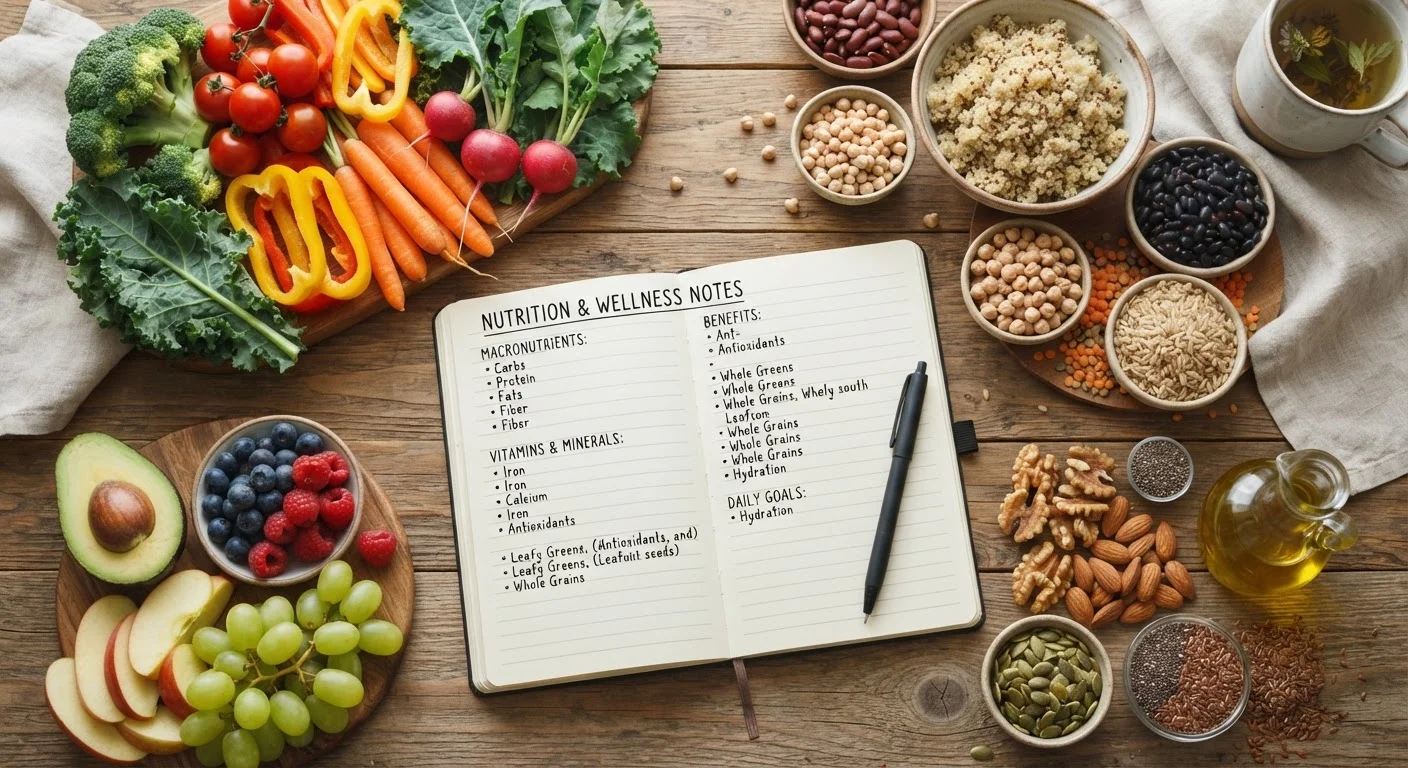
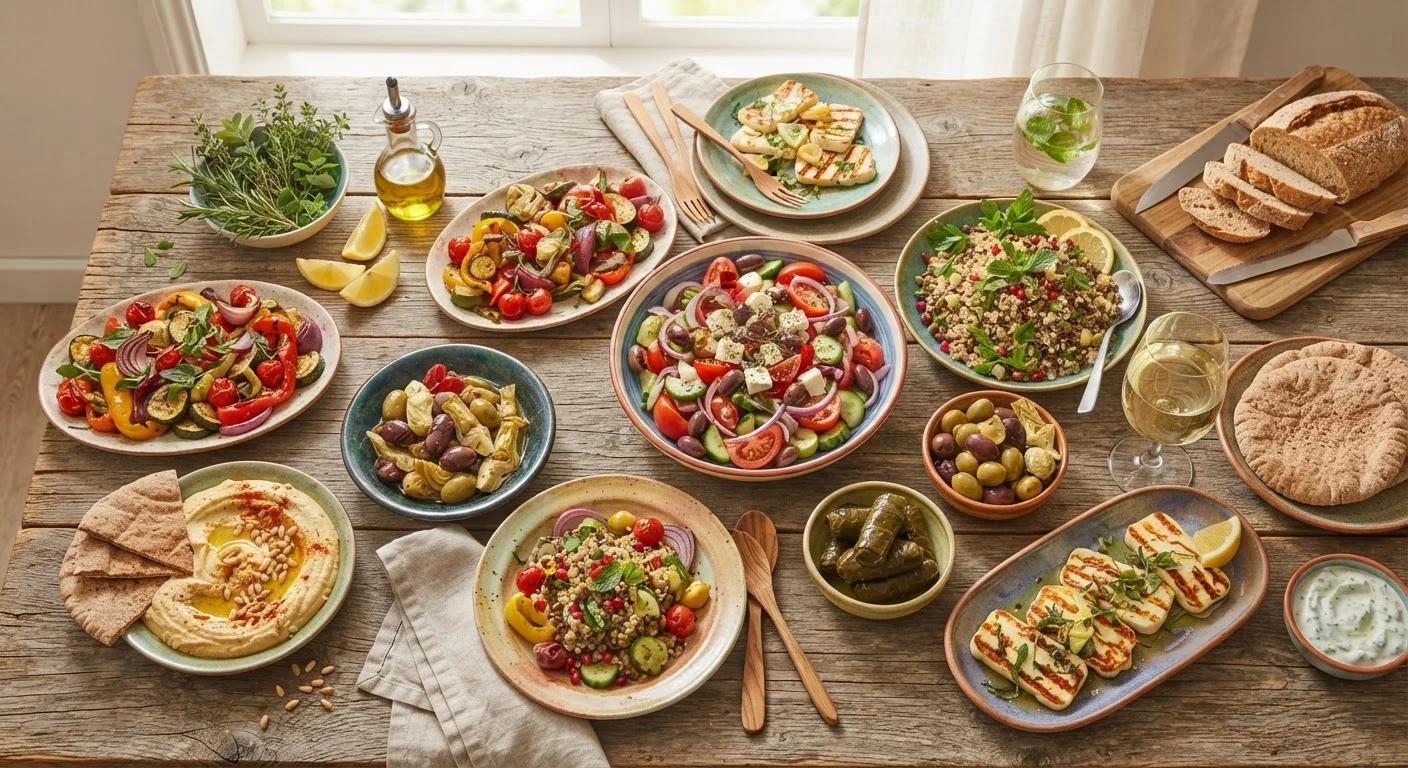
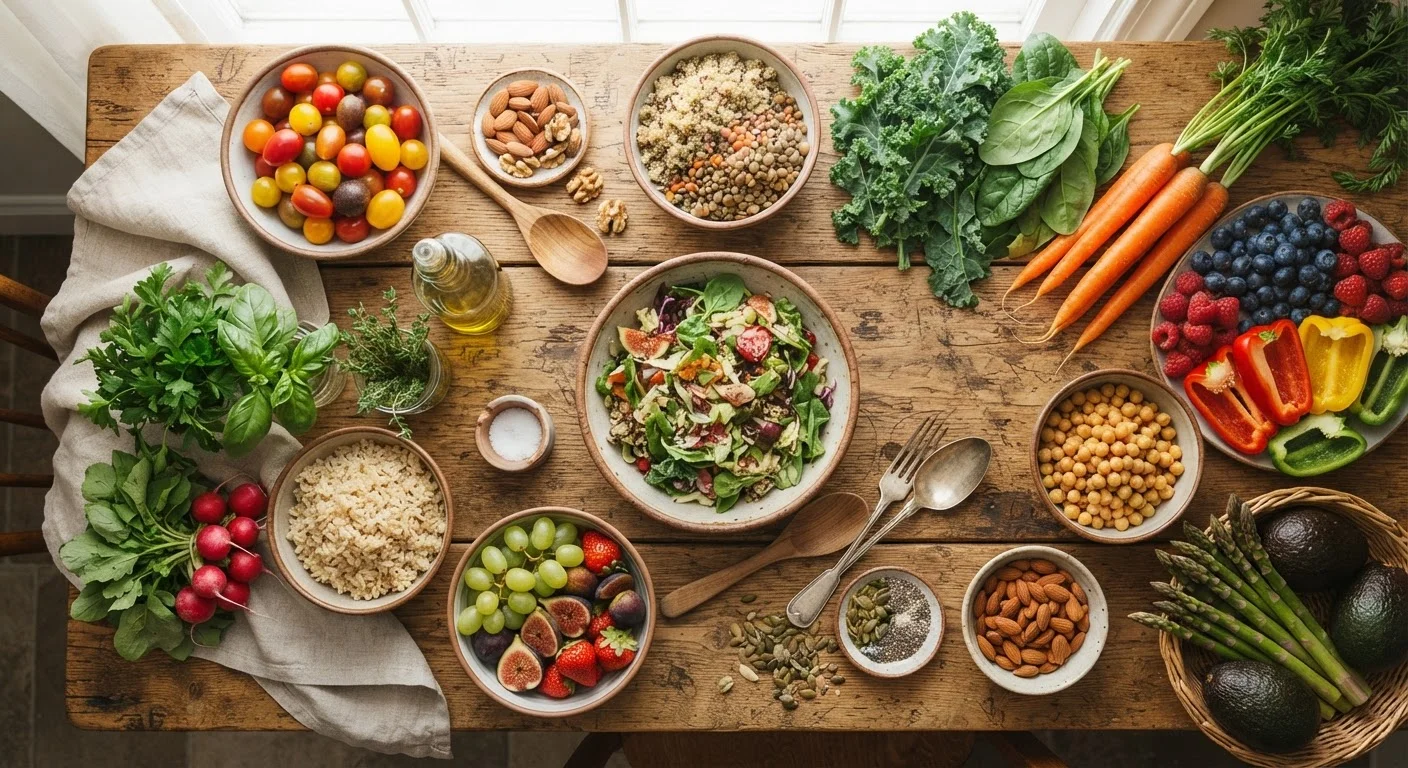
The phrase plant-based has become one of the most widely used — and widely misunderstood — terms in food and nutrition. At its core, it simply describes an eating pattern in which plant foods form the majority or foundation of what you eat. Vegetables, fruits, whole grains, legumes, nuts, and seeds are the primary players.
Crucially, the term carries no single, regulated definition. Unlike vegan — which specifically excludes all animal-derived foods — plant-based functions more as a directional description than a strict rulebook. Someone eating mostly plants but still having salmon twice a week may fairly describe themselves as eating plant-based. So can someone who has gone fully vegan. For a broader look at how plant-forward diets connect to long-term health research, see our overview of evidence-backed eating patterns.
Plant-based diet
An eating pattern in which plant foods — vegetables, fruits, grains, legumes, nuts, seeds — make up the majority of what you eat. The term does not necessarily exclude all animal foods.
Flexitarian
A mostly plant-based eater who occasionally includes meat or other animal products, with no foods strictly off-limits.
Vegan
A diet that excludes all animal-derived foods, including meat, fish, dairy, and eggs.
Non-heme iron
The form of iron found in plant foods, which is absorbed by the body less efficiently than the heme iron found in meat. Pairing it with vitamin C can improve absorption.
Essential amino acids
Protein building blocks the body cannot make on its own and must obtain through food. All are available through a varied plant-based diet.
Vitamin B12
A nutrient critical for nerve function and red blood cell formation, found almost exclusively in animal foods. People eating vegan diets need a reliable supplemental or fortified source.
The Spectrum: From Flexitarian to Vegan
Rather than a single diet, plant-based eating describes a continuum. Understanding where different approaches fall helps you find a starting point that fits your life.
- Flexitarian: Predominantly plant-based with occasional inclusion of meat, poultry, or fish. No foods are fully off-limits; the focus is on making plants the default.
- Pescatarian: Excludes meat and poultry but includes fish and seafood, along with dairy and eggs in most cases.
- Vegetarian (lacto-ovo): Excludes meat, poultry, and fish but includes dairy products and eggs.
- Vegan: Excludes all animal-derived foods, including meat, fish, dairy, eggs, and often honey.
Each approach carries different nutritional implications. The more animal foods are restricted, the more attention specific nutrients require — though none of these patterns is inherently superior for everyone. Individual health status, food access, cultural practices, and personal preferences all shape what works in practice.
Nutritional Considerations Worth Knowing
A well-planned plant-based diet can meet most nutritional needs, but a few nutrients deserve deliberate attention — particularly as animal foods are reduced or eliminated.
- Vitamin B12: Found almost exclusively in animal foods. Those following vegan or near-vegan patterns need a reliable supplemental or fortified-food source. This is not optional.
- Iron: Plants contain non-heme iron, which is absorbed less readily than the heme iron in meat. Eating iron-rich plant foods (lentils, tofu, pumpkin seeds) alongside vitamin C helps improve absorption.
- Omega-3 fatty acids: Walnuts, flaxseed, and chia seeds provide ALA, a plant-derived omega-3. The longer-chain forms (EPA and DHA) found in fatty fish are harder to obtain from plants alone; algae-based supplements are one option.
- Calcium, zinc, and iodine are other nutrients to consider when dairy is removed or reduced.
For a plain-language breakdown of nutritional vocabulary used in this space, our nutrition glossary is a useful companion. If you have specific health conditions or concerns, speak with a registered dietitian before making significant dietary changes.
This article provides general nutrition information and is not a substitute for personalized medical or dietary advice.
Common Misconceptions
Several persistent myths surround plant-based eating, and they're worth addressing directly.
"Plant-based means expensive." Whole plant staples — dried lentils, canned beans, oats, cabbage, carrots, frozen vegetables — are consistently among the most affordable foods in American grocery stores. The perception of high cost often stems from premium packaged products marketed as plant-based alternatives, which are entirely optional. Our guide on eating well on a budget explores this in more depth.
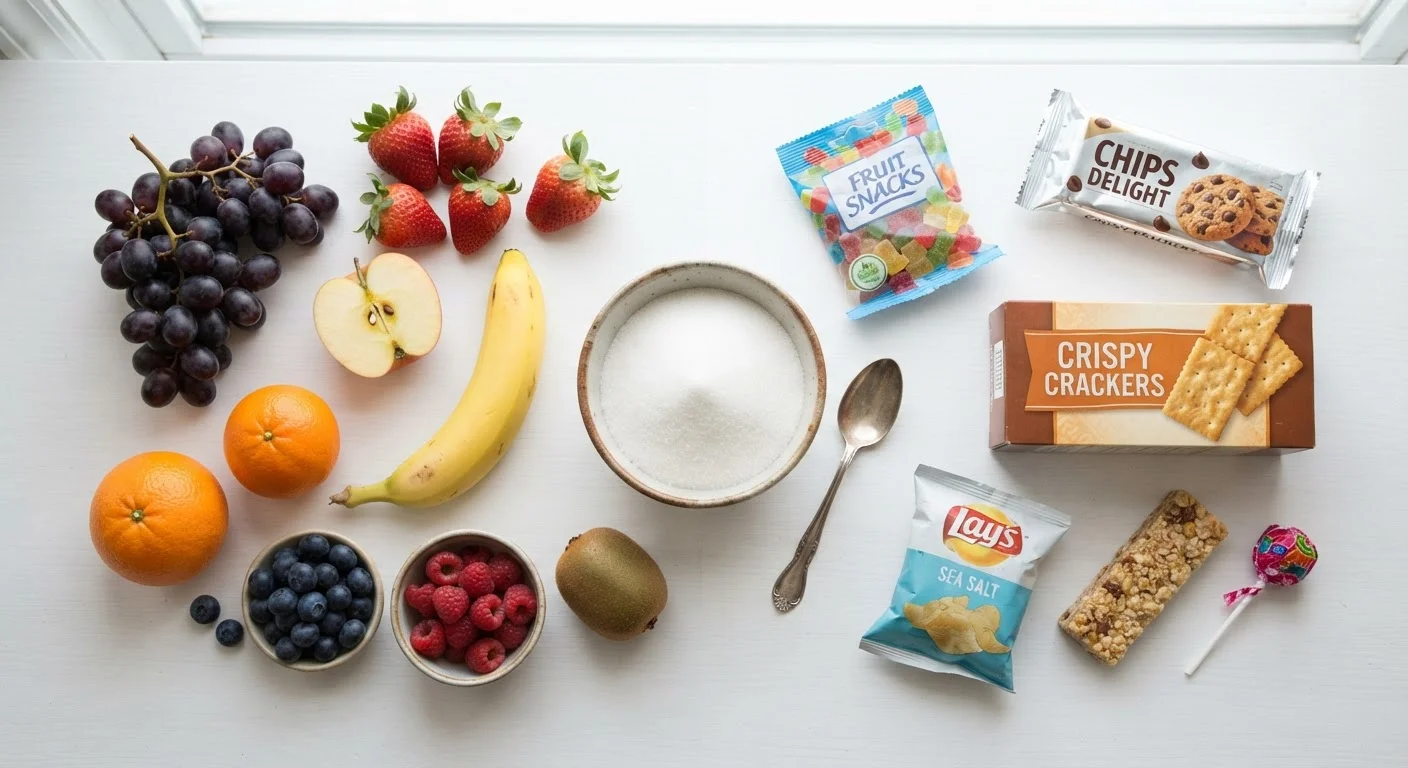
"Plant-based is automatically healthy." Highly processed foods — certain packaged snacks, refined grains, sweetened beverages — can be plant-derived yet offer little nutritional value. The quality and variety of foods matters far more than the category they fall into. Similarly, products labeled with terms like 'natural' or 'multigrain' on plant-based packaging may be less meaningful than they appear.
"You can't get enough protein from plants." Legumes, tofu, tempeh, edamame, whole grains, and seeds all contribute meaningful protein. Eating a varied plant-based diet across the day — rather than seeking a single complete-protein source at every meal — generally provides all essential amino acids. For a detailed comparison, see our piece on plant and animal protein sources.
Make Plants the Default, Not the Exception
One practical reframe: instead of asking 'what am I giving up?', ask 'what can I build this meal around?' Centering a meal on beans, grains, or vegetables first — and treating meat or dairy as optional additions — often leads naturally to a more plant-forward plate without requiring rigid rules.
Practical Ways to Start Shifting Your Eating
The most sustainable changes tend to be gradual and concrete rather than sweeping and abstract. A few approaches that align with how eating habits actually form:
- Start with additions, not subtractions. Add a serving of vegetables, beans, or whole grains to meals you already eat before thinking about what to remove.
- Designate plant-based meals, not plant-based days. Committing to plant-based breakfasts or lunches on most days is often easier to sustain than a full-day or full-week structure.
- Build a rotation of simple meals. A short list of five to eight plant-centered meals you genuinely enjoy reduces decision fatigue significantly.
- Keep flexible pantry staples on hand. Dried or canned legumes, whole grains, frozen vegetables, canned tomatoes, and nuts form the backbone of hundreds of meals without requiring frequent shopping trips.
- Adjust incrementally. Reducing meat to a few days a week rather than eliminating it immediately is a legitimate and evidence-consistent approach for most people.
There is no correct pace. The goal is a pattern of eating that you can sustain, that you enjoy, and that fits your actual life — not adherence to an idealized version of a diet category.