Why Sticker Price Is an Incomplete Picture
When most people compare products, they look at one number: the price tag. It's intuitive, immediate, and easy to compare. But that single number leaves out critical context that can make a cheaper item more expensive in practice — and a pricier one genuinely worth it.
Three calculations cut through that noise: unit price, total cost, and cost-per-use. Each one reframes how you evaluate a purchase, and together they form a practical framework for almost any buying decision. As rising prices have pushed shoppers to scrutinize purchases more carefully, these tools have become more relevant than ever.
Understanding these three metrics doesn't require advanced math — just a willingness to spend a few extra seconds before you buy.
| Unit Price Formula | Total price ÷ number of units (oz, count, sq ft, etc.) |
| Total Cost Includes | Purchase price + shipping + accessories + maintenance + consumables |
| Cost-Per-Use Formula | Total cost ÷ estimated number of uses |
| Best Use Case: Unit Price | Comparing packaged goods, groceries, cleaning supplies |
| Best Use Case: Total Cost | Appliances, printers, vehicles, subscription-linked products |
| Best Use Case: Cost-Per-Use | Clothing, tools, kitchen gear, recreational equipment |
Unit Price: Comparing Apples to Apples
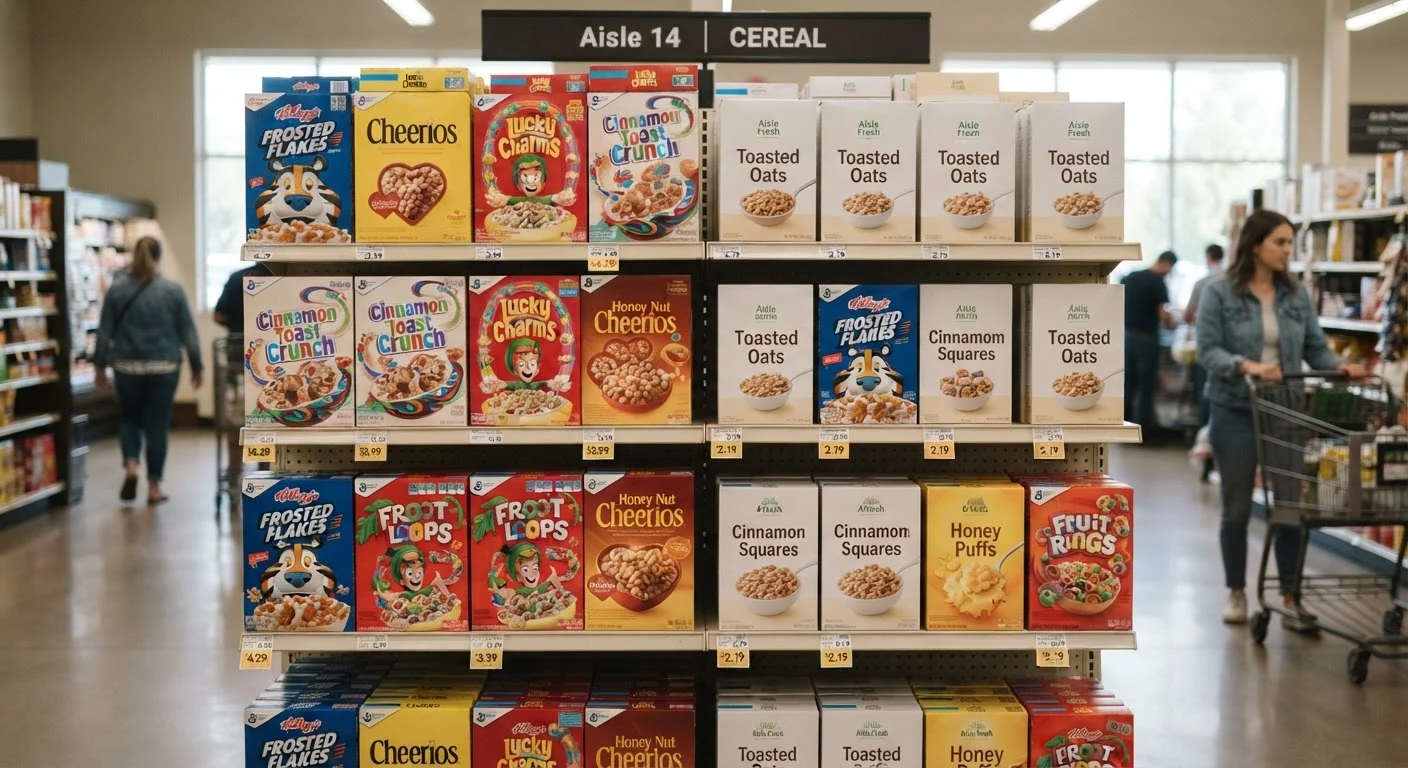
Unit price is the cost per standard measure — per ounce, per sheet, per count, per fluid ounce. Most grocery stores are required to display unit pricing on shelf labels, but unit prices aren't always posted for online purchases or non-grocery retail, which means shoppers often need to calculate it themselves.
The formula is simple: divide the total price by the number of units. If a 32-ounce bottle of dish soap costs $4.80, the unit price is $0.15 per ounce. A 16-ounce bottle at $2.72 costs $0.17 per ounce — more expensive per unit despite the lower sticker price.
Unit price comparisons are most useful when the products are genuinely equivalent in quality. Buying more of something you won't use, or a larger size that will expire, can negate the unit-price advantage entirely. Context matters: a better unit price only helps if the rest of the purchase makes sense. Retailers also use tactics like price anchoring to make bulk sizes feel like automatic wins — unit price math is your check against that assumption.
Total Cost: Adding Up What You'll Actually Pay
Total cost goes beyond the purchase price to include every dollar the product will require over its lifetime. This includes shipping and handling, installation, accessories, recurring subscriptions, maintenance, consumables, and eventual disposal or replacement.
A printer listed at $79 may require ink cartridges that cost $35 every few months. A mattress sold online may look competitive until you factor in a $150 delivery fee and a $50 removal charge for your old one. For larger purchases — appliances, vehicles, furniture — total cost can dwarf the sticker price several times over.
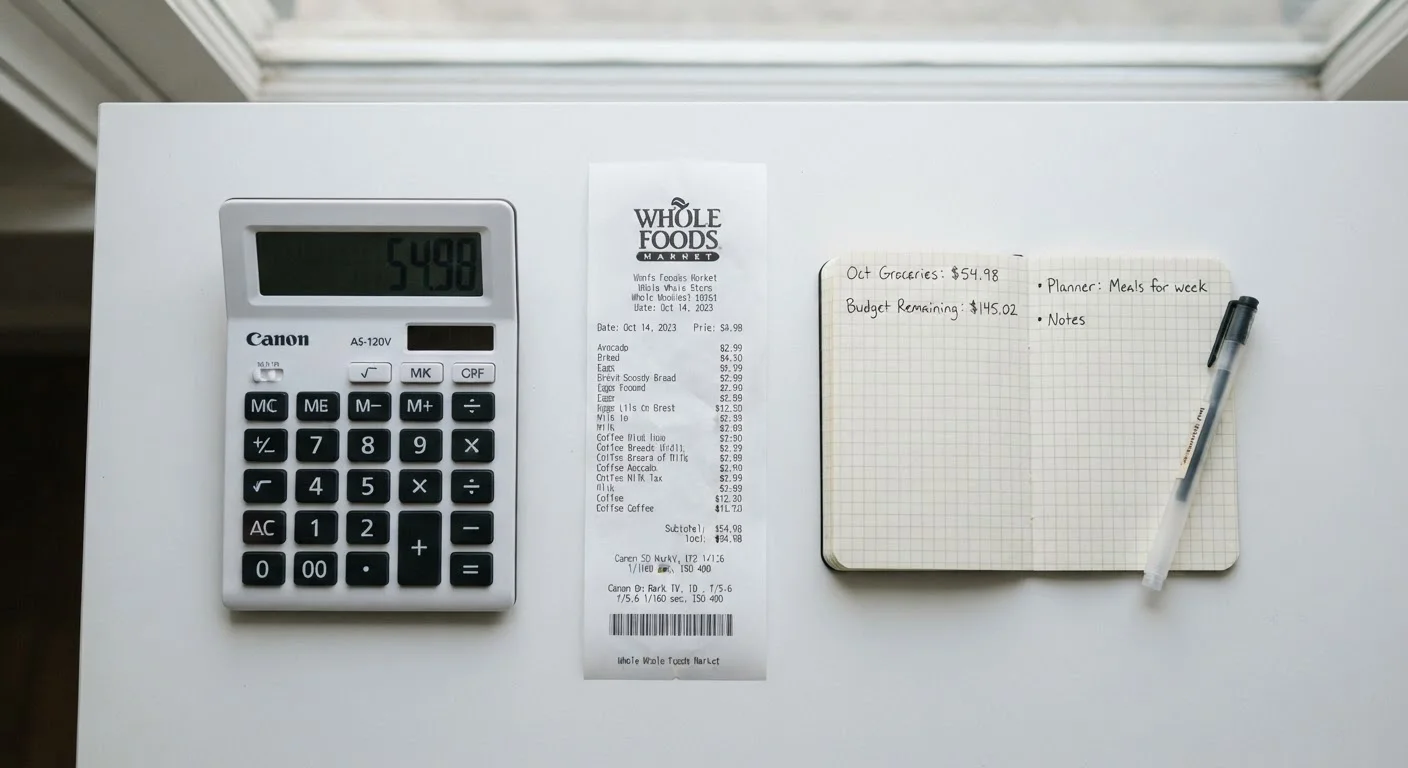
The total cost of ownership framework is a structured way to map every downstream expense before you commit. Even a rough estimate — jotted on your phone before checkout — is far better than discovering hidden costs after the fact. This metric is also where convenience fees and premium packaging show up most clearly: single-serve, pre-portioned, or delivery-ready products often carry a significant total-cost premium over alternatives.
Cost-Per-Use: Measuring Value Over Time
Cost-per-use is arguably the most underused of the three metrics. It answers a deceptively simple question: how much does this item cost each time I use it?
The formula: divide the total cost of the item by the estimated number of times you'll use it. A $200 stand mixer used 100 times over several years costs $2.00 per use. A $30 hand mixer used twice before being pushed to the back of a cabinet costs $15.00 per use.
This metric is especially useful for clothing, tools, appliances, and recreational gear — categories where purchase frequency and actual usage can diverge significantly. It also reframes quality as an economic consideration, not just a preference. A well-constructed item that lasts three times as long as a cheaper alternative may carry a much lower cost-per-use, even at double the purchase price.
The honest caveat: cost-per-use relies on usage estimates that are inherently uncertain. Be realistic rather than optimistic about how often you'll actually use something. Overestimating use is one of the most common ways shoppers rationalize higher-priced purchases that don't ultimately deliver proportional value.
This article is for general informational purposes only and does not constitute financial or purchasing advice tailored to your individual circumstances.