What Each Coverage Level Actually Includes
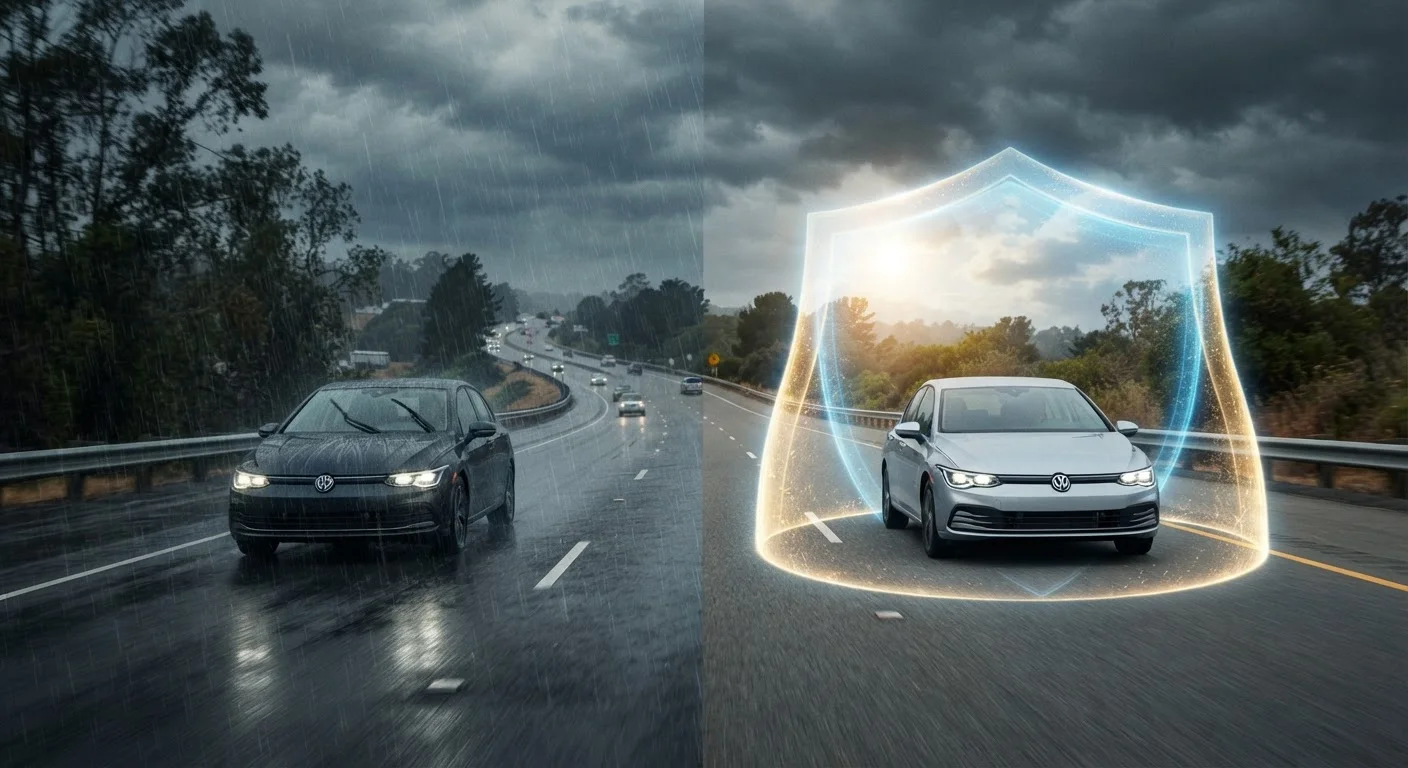
The phrase "full coverage" is used widely but has no single legal definition. In practice, it refers to a policy combining three core protections: liability, collision, and comprehensive. Liability coverage — required in nearly every state — pays for injuries and property damage you cause to others. Collision coverage pays to repair or replace your own vehicle after an accident, regardless of fault. Comprehensive coverage handles non-collision losses such as theft, fire, weather events, or animal strikes.
Minimum coverage, by contrast, is whatever your state legally mandates — typically bodily injury liability and property damage liability, sometimes accompanied by personal injury protection (PIP) or uninsured motorist coverage depending on the state. It is designed to protect others from harm you cause, not to protect your own vehicle or cover your own medical bills in many cases.
For a detailed breakdown of how these three core coverage types work independently, see our guide to liability, collision, and comprehensive coverage.
| Criterion | Full Coverage | Minimum Coverage |
|---|---|---|
| Legally required | No (exceeds state minimum) | Yes (meets state law) |
| Covers damage to your own vehicle | Yes (collision + comprehensive) | No |
| Covers other driver's damages | Yes (liability included) | Yes (liability only) |
| Covers theft or weather damage | Yes (comprehensive) | No |
| Required for financed/leased vehicles | Yes | No (but likely violates loan terms) |
| Premium cost | Higher | Lower |
| Out-of-pocket risk after an incident | Lower (subject to deductible) | Higher (vehicle damage not covered) |
Where the Real Gaps Show Up
The practical risk of minimum coverage becomes clear the moment your own vehicle is damaged. If you cause a collision, minimum liability coverage pays the other driver's repair bills — but you receive nothing for your own car. A single at-fault accident can leave a minimum-coverage driver facing thousands of dollars in out-of-pocket vehicle costs.
Natural events create a similar problem. If a hailstorm, flood, or falling tree damages your car, minimum coverage provides no protection whatsoever. You'd cover the loss entirely on your own. Drivers in regions prone to severe weather, wildfires, or high vehicle theft rates carry measurably higher exposure under minimum-only policies. To understand exactly which events trigger which coverage type, see our explainer on collision vs. comprehensive coverage.
There's also the issue of other drivers. A significant share of U.S. motorists carry insufficient insurance or none at all. If an uninsured driver hits you, minimum coverage won't compensate you for your vehicle or medical costs. Uninsured and underinsured motorist coverage addresses this gap but is typically absent from bare-minimum policies.
Finally, drivers with auto loans should be aware of gap insurance. If your vehicle is totaled and you owe more than its depreciated market value, standard coverage — even full coverage — may not fully settle the loan balance. Gap insurance explains when and why this matters.
How to Decide What's Right for Your Situation
Two variables drive this decision more than any other: your vehicle's current market value and your ability to absorb an unexpected financial loss. A widely used rule of thumb suggests reconsidering collision and comprehensive coverage when the combined annual premium for those components approaches or exceeds ten percent of the vehicle's actual cash value — though that threshold is a guide, not a guarantee of the right answer for every driver.
If you owe money on your vehicle, the choice is usually made for you. Lenders require full coverage because they have a financial stake in the asset. Dropping below that threshold could trigger a loan default, prompt the lender to place a more expensive force-placed policy on your account, or both.
Drivers who do have flexibility should honestly assess their financial cushion. Could you comfortably pay for major repairs or a vehicle replacement without creating hardship? If not, the premium difference between minimum and fuller coverage may be worth it for the protection it provides. Many drivers discover this only after a loss — a pattern explored in detail in coverage decisions drivers often regret making.
This article is for general informational purposes only and does not constitute personalized insurance or financial advice. Coverage terms, requirements, and costs vary significantly by state, insurer, and individual circumstances. Consult a licensed insurance agent or adviser to evaluate the coverage options appropriate for your specific situation.