Why These Two Coverages Exist
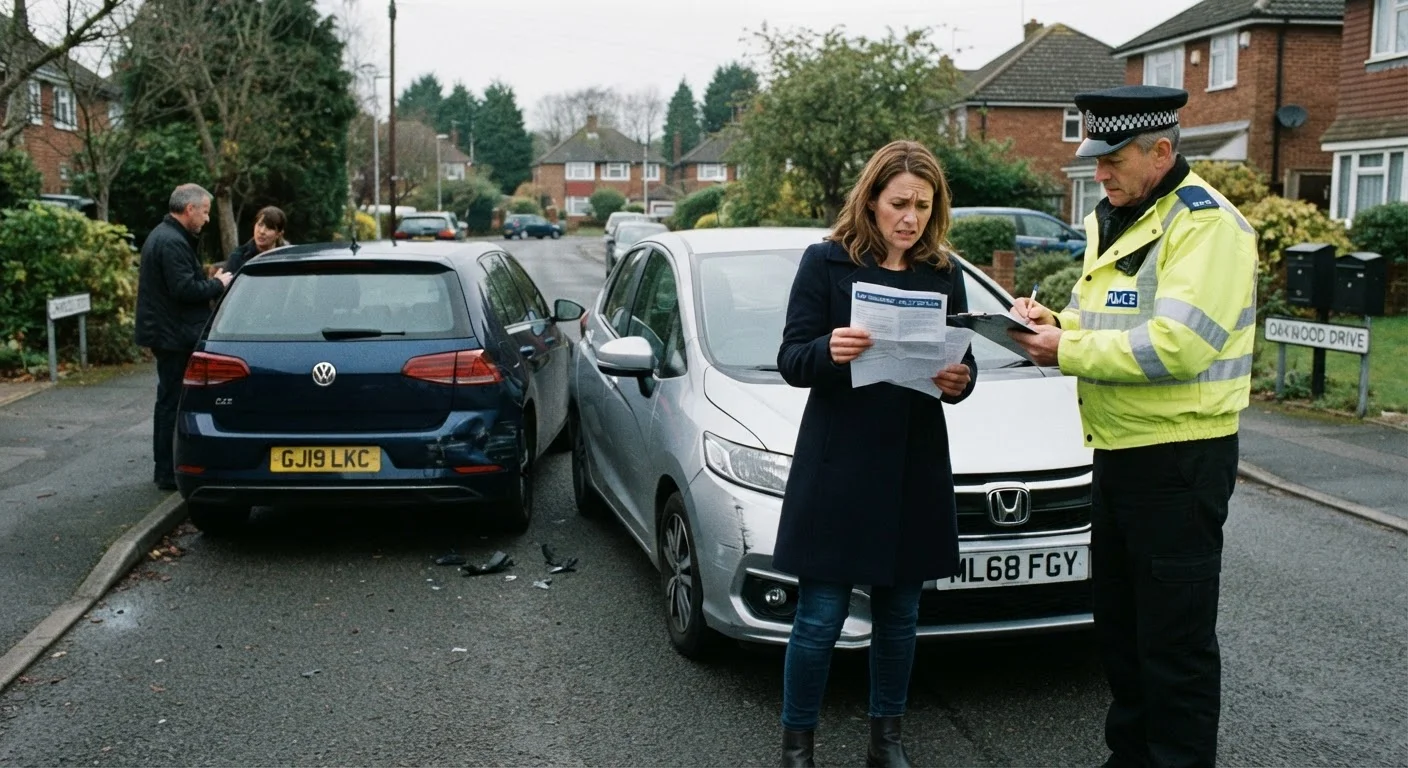
Most drivers assume that if another driver causes an accident, that driver's liability insurance pays for the damages. That assumption is often correct — but it breaks down in two very common scenarios: when the at-fault driver has no insurance, or when they have too little insurance to cover what happened.
Uninsured Motorist (UM) and Underinsured Motorist (UIM) coverages exist precisely because of those gaps. They are coverages you purchase through your own policy, and they pay out when the responsible party's insurance fails to fully compensate you. Together, they represent one of the most practical layers of financial protection available to American drivers — yet they are frequently misunderstood or skipped entirely.
To understand the full picture of how these fit alongside your other protections, see our overview of the three core coverage types that define any auto policy.
How Each Coverage Works
Uninsured Motorist Coverage (UM) responds when the driver at fault carries absolutely no liability insurance. It can also apply in hit-and-run situations where the responsible driver flees and cannot be identified. UM typically covers your medical expenses, lost wages, and in some states, property damage to your vehicle. Without it, your only recourse against an uninsured driver is a lawsuit — against someone who, statistically, has limited assets to pursue.
Underinsured Motorist Coverage (UIM) applies when the at-fault driver does have insurance, but their policy limits are too low to fully cover your damages. For example, if the other driver carries $25,000 in bodily injury liability and your medical bills total $80,000, your UIM coverage can step in to cover the remaining $55,000 — up to your own UIM policy limit.
Both UM and UIM can be structured to cover bodily injury (BI) or property damage (PD), or both, depending on your insurer and state regulations. Not all states require insurers to offer both forms, and rules vary significantly across the country.
| Criterion | Uninsured Motorist (UM) | Underinsured Motorist (UIM) |
|---|---|---|
| When it applies | At-fault driver has no insurance | At-fault driver's limits are too low |
| Hit-and-run incidents | Generally covered | Generally not covered |
| Covers medical expenses | Yes (UM bodily injury) | Yes (UIM bodily injury) |
| Covers vehicle damage | Yes, in some states (UMPD) | Yes, in some states (UIMPD) |
| State mandate | Required in many states | Required in some states |
| Requires at-fault driver ID | No (hit-and-run included) | Yes, driver must be identified |
| Triggered by | Zero liability coverage on other driver | Insufficient liability limit on other driver |
For context on how these coverages interact with collision and comprehensive protections, the collision vs. comprehensive comparison is a useful companion read.
The Real-World Gaps Most Drivers Miss
Many drivers operate under the belief that carrying collision coverage makes UM or UIM redundant. This is a common misconception. Collision coverage pays to repair or replace your vehicle after an accident regardless of fault — but it does not cover your medical expenses, lost income, or pain and suffering. UM and UIM fill those gaps, particularly on the bodily injury side.
Another overlooked gap involves state minimum liability limits. Dozens of states set their minimum bodily injury liability requirements at $25,000 or less per person — a figure that can be consumed quickly by emergency room costs alone. When you're hit by a driver carrying only the state minimum, UIM coverage can mean the difference between financial recovery and a significant out-of-pocket burden.
State Rules Vary Significantly
Whether UM and UIM are required, offered separately, or bundled together depends heavily on which state you're insured in. Some states require insurers to offer both; others mandate only UM. A handful allow drivers to waive these coverages in writing. Always verify your state's current requirements directly with your state's department of insurance or a licensed agent before assuming what's included in your policy.
The coverage decisions drivers often regret is worth reviewing if you're reassessing your current policy — skipping UM or UIM frequently appears on that list.
It's also worth distinguishing UM/UIM from gap insurance. Gap insurance addresses what you owe on a car loan versus the vehicle's actual value after a total loss — a different kind of financial gap entirely.
Making an Informed Coverage Decision
Whether UM and UIM coverage make sense depends on your state's requirements, your existing health insurance, and your overall risk tolerance. In states where these coverages are mandatory, the decision is made for you. In optional states, the relatively modest premium increase is often worth careful consideration given how frequently underinsured drivers appear on American roads.
If you're weighing whether to expand your policy more broadly, the full coverage vs. minimum coverage comparison lays out how different levels of protection compare in realistic accident scenarios.
As with any insurance decision, the right choice depends on your individual circumstances. Consult a licensed insurance agent or adviser who can review your specific state's rules, your current policy, and your financial situation before making any changes.
This article is for general informational purposes only and does not constitute insurance, legal, or financial advice. Coverage availability, terms, and requirements vary by state and insurer. Always read your policy documents carefully and speak with a licensed insurance professional for guidance specific to your situation.