What a CPO Program Actually Involves
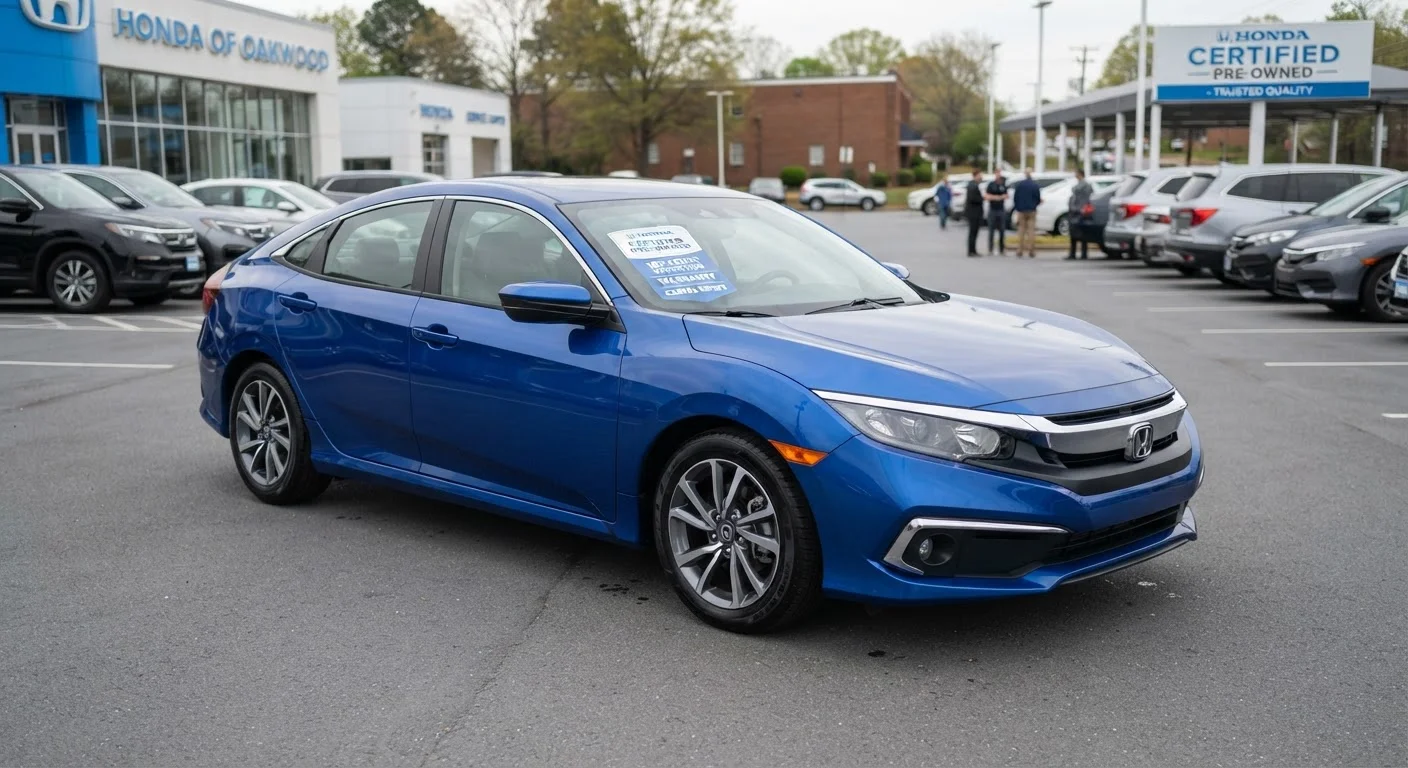
At its core, a certified pre-owned program is a structured resale framework built around two elements: a pre-sale inspection and a limited warranty. When a vehicle enters a manufacturer CPO program, it must typically meet age and mileage thresholds — commonly under five or six years old and below 60,000 to 80,000 miles, though these figures vary by brand. The vehicle is then put through a multi-point inspection, often ranging from 100 to over 200 checkpoints depending on the manufacturer.
Those checkpoints span mechanical systems (engine, transmission, brakes, suspension), electrical systems, safety features, and cosmetic condition. Vehicles that fail specific criteria must be repaired before receiving the CPO designation — or they're disqualified entirely.
It's worth noting that as with any label, CPO status tells you what was evaluated and when — not necessarily what the vehicle will look like in a year. As our guide to certification labels explains, the weight a label carries depends entirely on who sets the standard and how rigorously it's enforced.
What CPO Warranties Typically Cover
The warranty is usually the most tangible benefit of CPO status. Most manufacturer programs bundle two types of coverage:
- Powertrain warranty: Covers the engine, transmission, and drivetrain components. This is the most common and longest-lasting portion of CPO coverage.
- Limited bumper-to-bumper warranty: Some programs extend the original factory bumper-to-bumper coverage for an additional period, covering a broader range of mechanical and electrical components.
Many programs also include roadside assistance, trip interruption benefits, and loaner vehicle provisions during covered repairs — details that differ by manufacturer.
Always Request the Full Warranty Document
The window sticker or sales summary of a CPO warranty often omits key exclusions, deductibles, and claims procedures. Ask the dealership for the complete warranty booklet before signing anything. Pay particular attention to what is specifically excluded, the deductible amount per repair visit, and whether coverage is transferable if you sell the vehicle.
Before assuming what a CPO warranty covers, request the actual warranty booklet — not just the window sticker summary. The full document spells out covered components, exclusions, deductibles, and the claims process. Understanding how to read that document is covered in our warranty fine print guide.
What CPO Certification Doesn't Cover
The CPO label can create an impression of comprehensive protection that the fine print doesn't fully support. Common exclusions include:
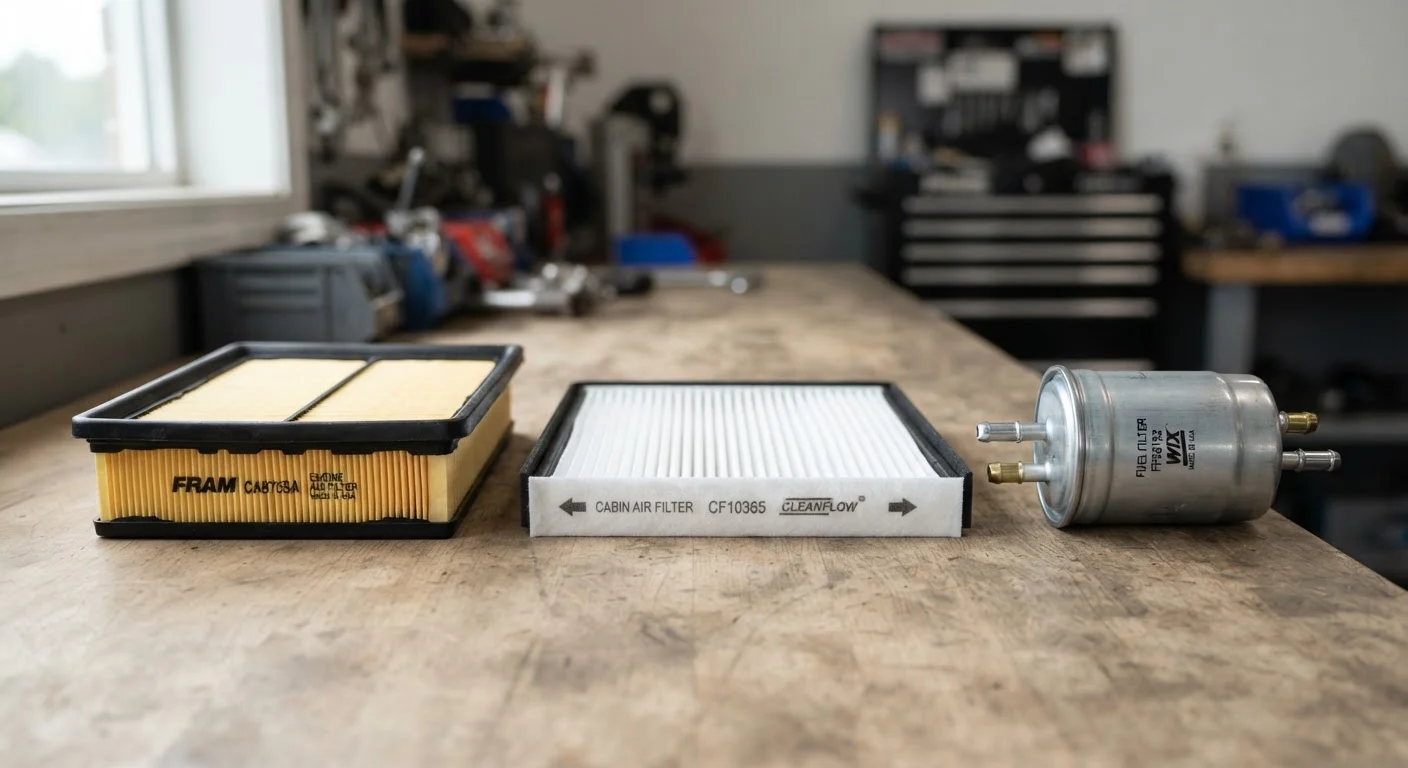
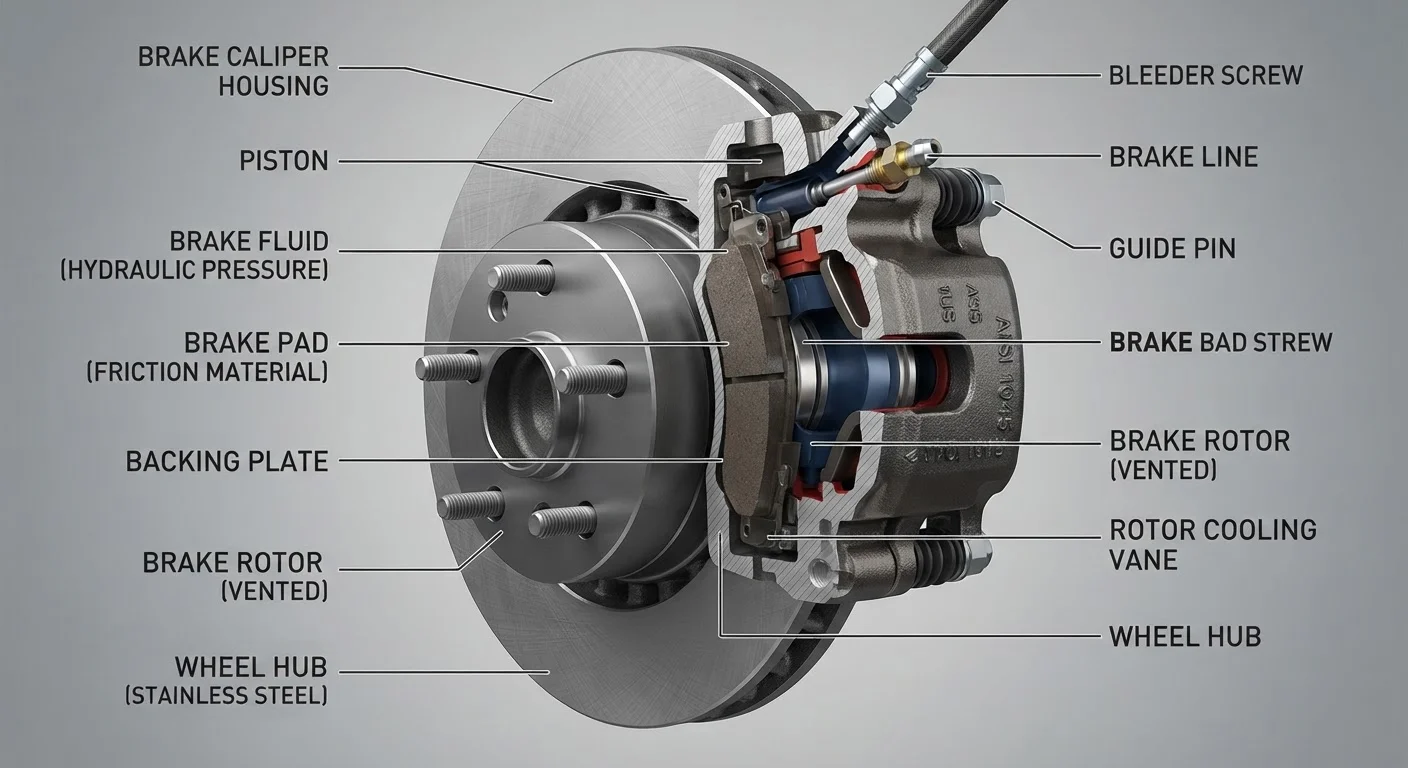
- Wear-and-tear items: Tires, brake pads and rotors, wiper blades, filters, and belts are typically excluded because they degrade through normal use.
- Damage from neglect or accidents: Pre-existing damage not caught during inspection, or issues arising from poor maintenance by a previous owner, may not be covered.
- Aftermarket modifications: Non-factory parts or modifications can void portions of CPO warranty coverage.
- High-mileage degradation: Components that wear normally but fail just outside the coverage window leave owners without recourse.
Dealer-certified programs — those not backed by a manufacturer — vary so widely that the term offers little reliable meaning on its own. Much like the marketing language on product packaging, a dealer's "certified" badge may reflect minimal standardized criteria.
100–200+
Inspection checkpoints in typical manufacturer CPO programs
The number of items evaluated varies by manufacturer, ranging from roughly 100 to over 200 depending on the brand's program standards.
~6 years
Common maximum vehicle age for CPO eligibility
Most manufacturer CPO programs cap vehicle age at five to six years from the original sale date, though specific limits differ by automaker.
Varies widely
Warranty duration across CPO programs
Powertrain coverage in manufacturer CPO programs commonly spans one to six years from the original in-service date; there is no single industry standard.
How to Evaluate a CPO Vehicle Confidently
Even with CPO status, a buyer's due diligence matters. Start by confirming whether the program is manufacturer-backed or dealer-created — this distinction has real consequences for warranty reliability. Then review the inspection checklist: a credible program will provide a copy showing which items were checked and what, if anything, was repaired.
Request the vehicle history report and verify the reported mileage, accident history, and previous ownership. CPO programs typically require a clean title, but reviewing the report yourself confirms it. For higher-mileage vehicles or those at the upper age limit of a program's eligibility, consider supplementing with a independent pre-purchase inspection from a mechanic not affiliated with the dealership.
Also factor in how CPO vehicles affect ongoing costs like auto insurance. A newer, better-maintained vehicle may affect your coverage decisions, and some insurers treat CPO vehicles differently when determining premiums or replacement value.
The CPO label has genuine value when it's backed by a reputable manufacturer program with transparent standards — but it functions as a starting point, not a substitute for your own informed review.