How to Read a Warning Light Before Panicking
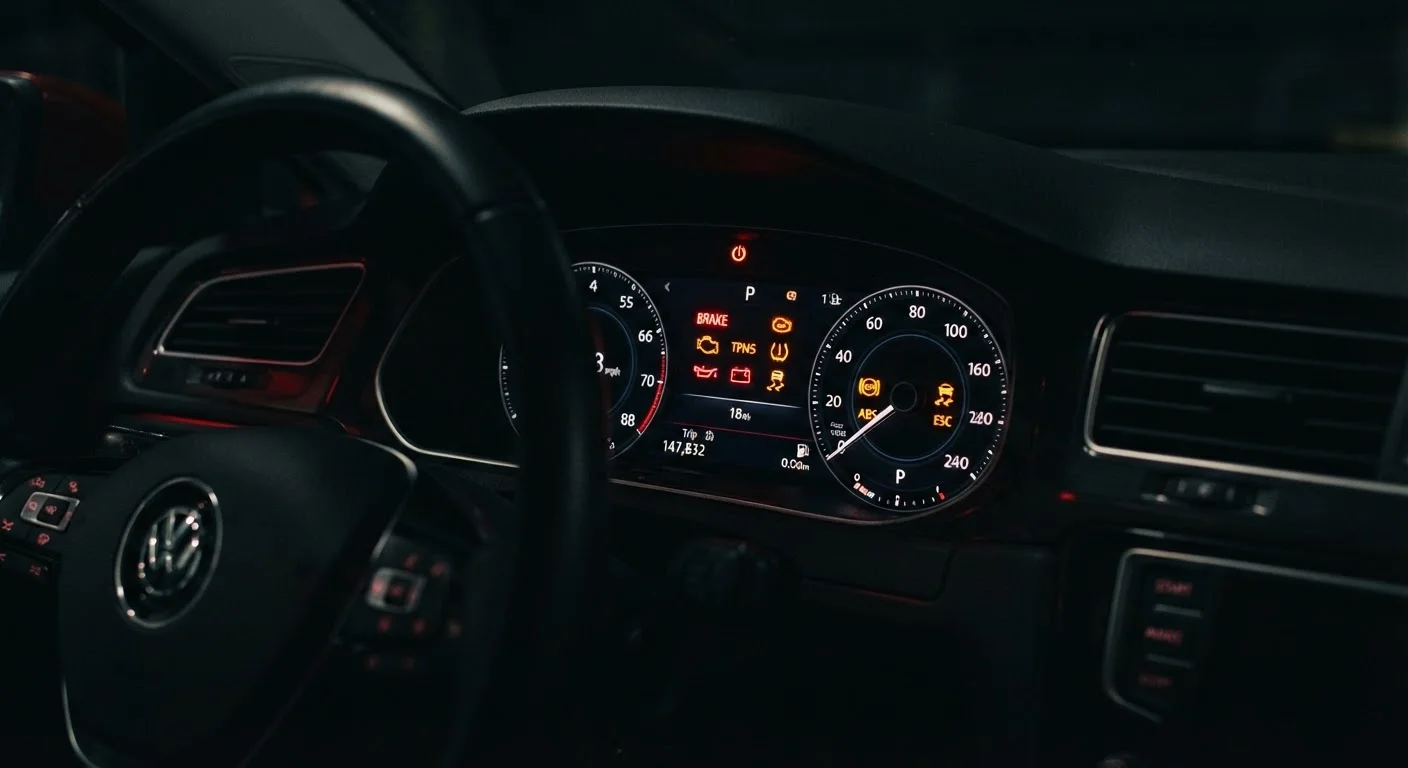
Most drivers have felt that sinking feeling when a dashboard light suddenly glows. The good news: not every warning light means an emergency. Understanding what these symbols communicate — and what color they're displayed in — helps you respond appropriately rather than reactively.
Dashboard lights follow a broadly consistent color system across manufacturers:
- Red — Stop and act now. A red light typically signals a serious issue that could result in vehicle damage or a safety risk if ignored.
- Amber/Yellow — Proceed with caution. Something needs attention soon, but you're usually safe to drive to a shop.
- Blue/Green — Informational. These confirm that a system (like your high beams or turn signal) is active.
Always consult your vehicle's owner's manual for exact interpretations — symbols and thresholds vary between makes and models. If you've lost your manual, most manufacturers publish digital versions on their websites.
OBD-II
On-Board Diagnostics II — a standardized diagnostic system built into most vehicles sold in the U.S. after 1996. A scan tool plugged into the OBD-II port reads fault codes that triggered the check engine or other warning lights.
TPMS
Tire Pressure Monitoring System — a sensor-based system that alerts the driver when one or more tires fall below a specified air pressure threshold, typically via an amber dashboard warning light.
Catalytic Converter
An emissions control device in the exhaust system that converts harmful combustion byproducts into less harmful gases. Engine misfires can overheat and permanently damage it.
Alternator
A generator driven by the engine that produces electricity to power the vehicle's electrical systems and recharge the battery while the engine runs. A failing alternator causes the battery warning light to illuminate.
Brake Fluid
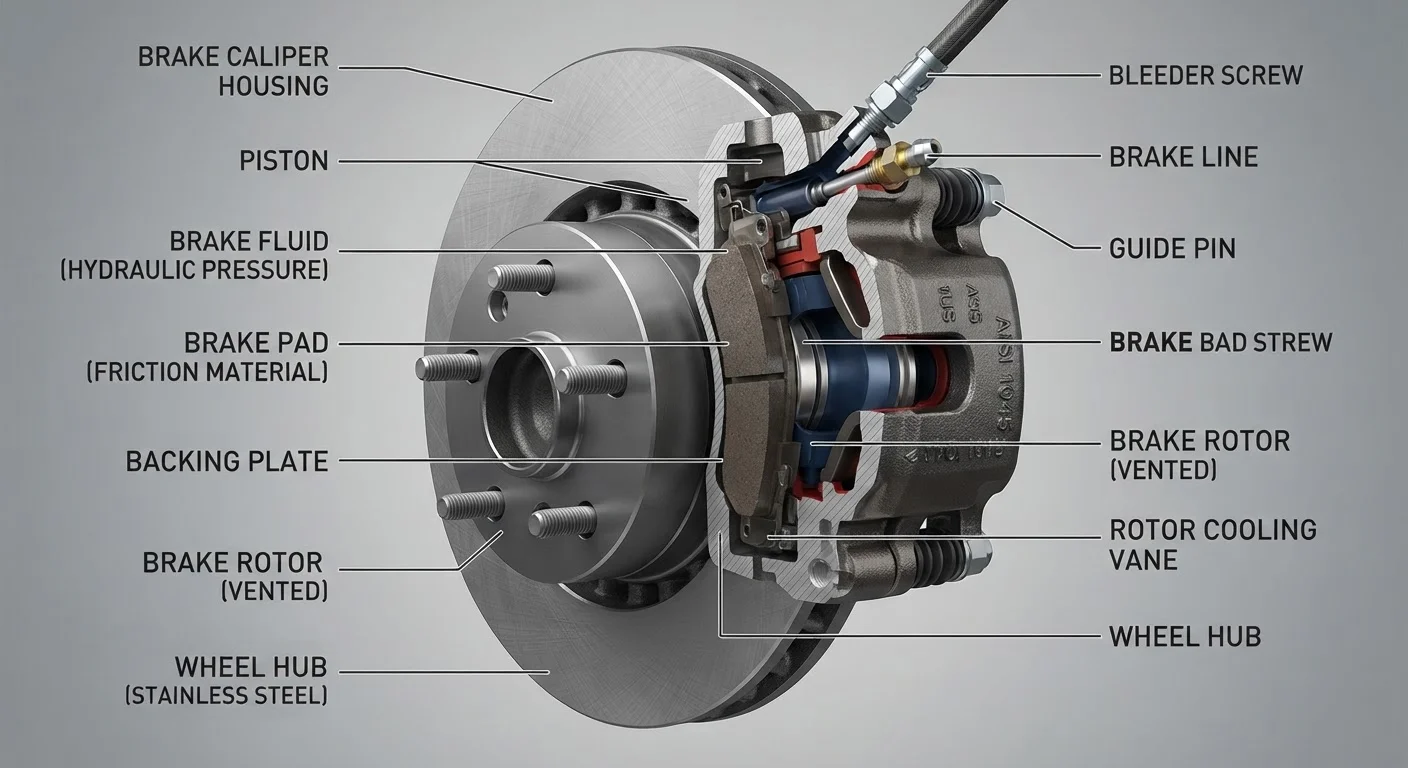
A hydraulic fluid that transmits force from the brake pedal through the brake lines to the calipers and wheel cylinders. Low or contaminated brake fluid can reduce braking effectiveness.
Fault Code
A standardized alphanumeric code stored by a vehicle's computer when a sensor reading falls outside acceptable parameters. Fault codes help mechanics identify the root cause of a warning light.
The Most Common Warning Lights Decoded
Here's a practical reference for the lights drivers encounter most often:
Check Engine Light (Amber)
This is the most misunderstood light on any dashboard. It can mean anything from a loose gas cap to a misfiring engine or a failing catalytic converter. A steady amber check engine light usually means you can drive to a mechanic within a day or two. A flashing check engine light, however, often indicates an active misfire that can damage your catalytic converter — pull over safely and have the vehicle towed or driven gently to a shop immediately. A diagnostic scan (OBD-II reader) is required to retrieve the specific fault code; guessing without one wastes time and money.
Oil Pressure Warning (Red)
This light — often shaped like an oil can — signals that engine oil pressure has dropped dangerously low. Do not continue driving. Pull over as soon as it's safe, turn off the engine, and check the oil level. Running an engine with inadequate oil pressure can cause catastrophic and irreversible internal damage within minutes. See our guide to under-hood fluids for how to check and interpret your oil level correctly.
Battery / Charging System (Red)
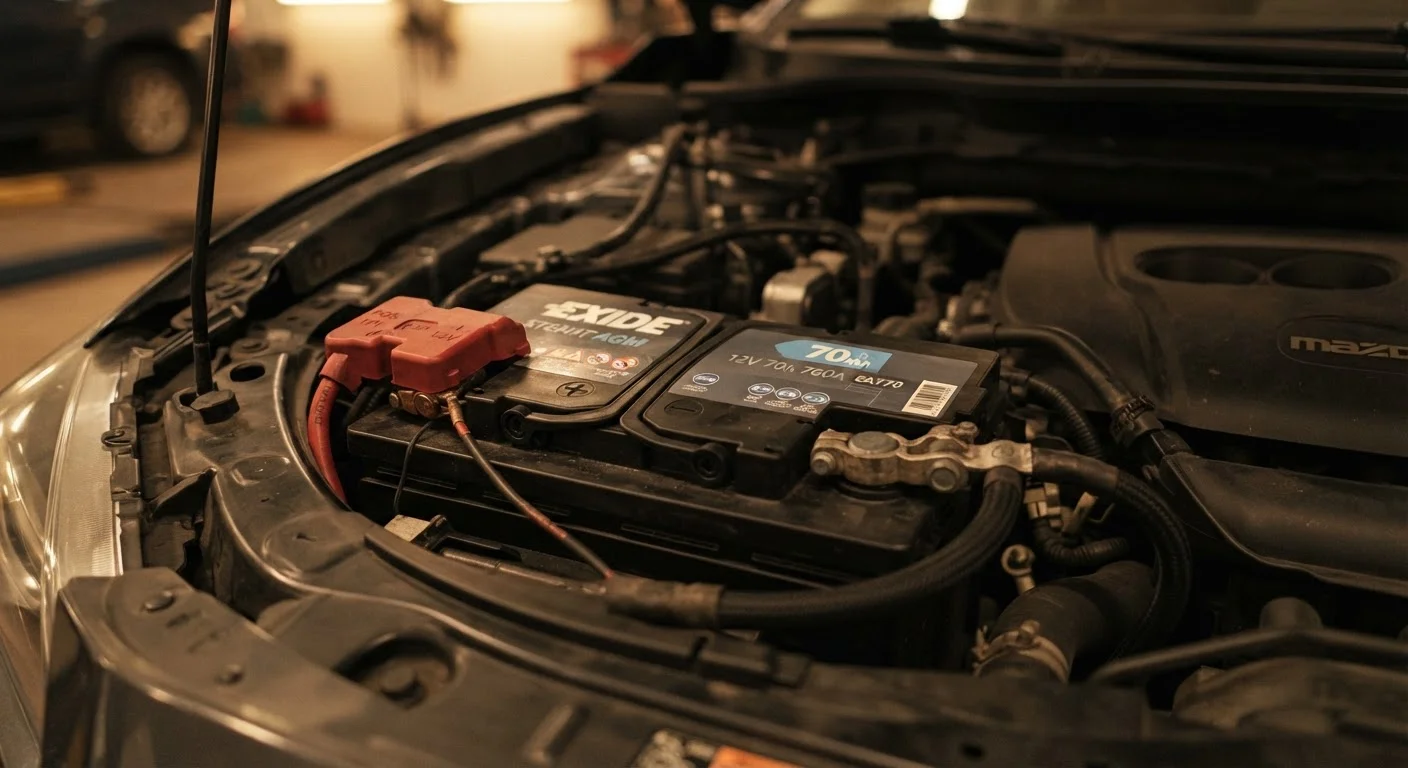
When this light stays on while the engine is running, the charging system isn't keeping up — meaning your battery is discharging. You may have a failing alternator, a worn belt, or a bad battery. Plan to stop driving soon; eventually the car will lose enough power to stall. Avoid running accessories like the A/C or heated seats to extend your window for reaching a shop.
Brake System Warning (Red)
If this appears and your parking brake is fully released, take it seriously. It can indicate low brake fluid or a fault within the braking system itself. Understanding what's at stake is easier when you know how your braking system actually works. Do not ignore a brake warning — if your pedal feels soft or the car pulls to one side, stop driving and arrange a tow.
Tire Pressure (TPMS) Warning (Amber)
The horseshoe-shaped symbol with an exclamation point means one or more tires have dropped below the recommended pressure threshold. You can usually drive carefully to a gas station to add air. Ignoring low tire pressure accelerates tread wear and increases blowout risk — especially at highway speeds. For more context, see why tire pressure and tread depth matter more than most drivers realize.
Temperature Warning (Red)
An engine overheating light or gauge pegged in the red zone demands immediate action. Pull over, turn off the engine, and do not open the radiator cap while the engine is hot. Overheating can warp cylinder heads and destroy engine gaskets. Once the engine cools, check coolant levels — but if this light returns, the vehicle needs a professional inspection before further driving.
Pull Over Now vs. Schedule a Shop Visit
Not every warning requires roadside drama, but knowing which lights demand immediate action can protect both you and your vehicle.
| Pull Over Immediately | Schedule a Shop Visit Soon |
|---|---|
| Red oil pressure light | Steady amber check engine light |
| Flashing check engine light | TPMS / tire pressure warning |
| Temperature warning (overheating) | Service due / maintenance reminder |
| Brake system warning with soft pedal | Traction control warning (occasional) |
When a warning light appears and you're unsure, a licensed mechanic can run a diagnostic scan quickly and inexpensively. Trying to diagnose without proper tools — or continuing to drive and hoping it resolves — often turns a minor repair into a major one. For guidance on what you can reasonably handle yourself versus what warrants a professional, see our breakdown of DIY maintenance vs. taking it to a shop.
This article is for general informational purposes only. Vehicle systems and warning light meanings vary by make, model, and year. Always consult your owner's manual and a qualified mechanic for diagnosis and repair decisions specific to your vehicle.