What Changes After 100,000 Miles
Reaching 100,000 miles is not a death sentence for a vehicle — many well-maintained cars run reliably well past 200,000 miles. But the maintenance calculus does shift. Rubber components harden and crack, metal surfaces show wear, and systems that tolerated occasional lapses in service begin to demand more attention.
The core shift is from prevention to vigilance. Younger vehicles have more tolerance for a missed oil change or a delayed coolant flush. High-mileage vehicles do not. Small neglects compound faster when parts are already worn. If you're new to thinking carefully about maintenance fundamentals, our plain-English introduction to car maintenance is a useful starting point before diving into high-mileage specifics.
The good news: most of what keeps an older car on the road reliably is not exotic or expensive. It is consistent, attentive upkeep applied at the right intervals.
Fluids and Seals: The First Priority
Engine oil is the most important fluid in any car, and its role becomes even more critical as an engine ages. Worn internal clearances mean oil film thickness matters more than ever. Many mechanics recommend switching to a slightly higher-viscosity oil — for example, from 5W-30 to 10W-30 — in high-mileage engines, as it can better maintain the protective film between moving parts. Always confirm the appropriate viscosity with your owner's manual or a trusted mechanic, since recommendations vary by engine design.
Beyond oil, pay attention to:
- Coolant: Degraded coolant becomes acidic and corrodes aluminum components common in modern engines. A flush every 30,000–50,000 miles is a reasonable guideline for many vehicles, but check your manufacturer's specification.
- Transmission fluid: Automatic transmissions in high-mileage vehicles benefit from fluid changes, though a caution applies — if fluid has never been changed at very high mileage, consult a mechanic before doing so, as disturbing heavily degraded fluid can occasionally cause issues.
- Power steering and brake fluid: Both absorb moisture over time, reducing effectiveness and promoting internal corrosion.
Seals and gaskets — the rubber and cork components that keep fluids contained — harden with age. Small leaks around the valve cover, oil pan, or transmission are common. Catching them early is far less expensive than the engine damage or fire risk a serious leak can cause. Deferred maintenance has a real cost that compounds quickly on an aging vehicle.
When buying high-mileage motor oil labeled 'for high-mileage engines,' look for one that includes seal conditioners — these can help reduce minor leaks from hardened gaskets, but they're not a substitute for addressing a significant leak.
Seal conditioners can swell and soften aging gaskets modestly, providing a cost-effective interim measure, but continued leaks always warrant professional assessment.
Keep a simple maintenance log in the glove box — even a folded notepad with dates and services performed. It removes guesswork and adds real value if you sell the vehicle.
Service history is one of the most reliable indicators of a high-mileage vehicle's condition, and documented records increase buyer confidence and resale value.
Timing Belt or Chain: Don't Gamble on This One
The timing belt (or timing chain, depending on your engine) synchronizes the rotation of the crankshaft and camshaft — essentially coordinating when valves open and close relative to piston movement. If this component fails while the engine is running, the result is often catastrophic internal engine damage costing thousands of dollars.
Timing belts are made of rubber and have a defined replacement interval — commonly between 60,000 and 105,000 miles, though this varies by manufacturer. If you've acquired a high-mileage vehicle and don't have records confirming the belt was replaced, treat it as overdue. Timing chains are metal and generally last much longer, but they are not immortal — a rattling noise on startup can signal a stretched chain requiring attention.
Check your owner's manual for the specific interval for your engine. This is not a task to delay.
Suspension, Brakes, and Tires on an Aging Vehicle
Suspension components — shocks, struts, ball joints, tie rod ends, and bushings — absorb enormous stress over a vehicle's life. Worn shocks don't just create an uncomfortable ride; they extend stopping distance and reduce steering control. A rough, bouncy feel over bumps, or a car that drifts during lane changes, warrants a professional inspection.
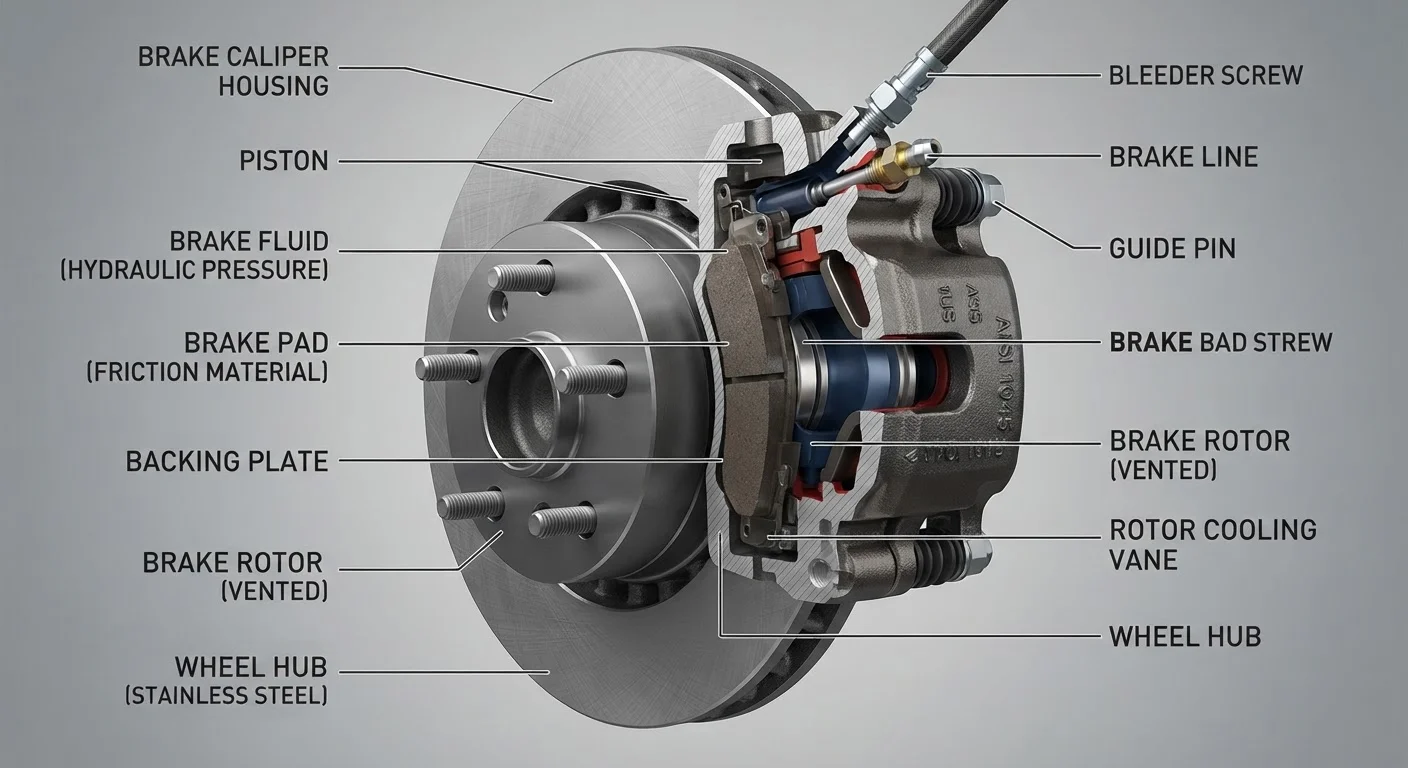
Brake pads and rotors wear predictably and can be monitored. Brake lines and hoses, however, are often overlooked. Rubber brake hoses can deteriorate internally on older vehicles, restricting fluid flow or failing suddenly. A visual inspection of the entire brake system should be part of any high-mileage vehicle checkup.
Tires on older vehicles deserve attention beyond tread depth. Rubber degrades from UV exposure and age even when tread looks acceptable. Many tire manufacturers and safety organizations suggest replacing tires older than six years regardless of tread, and ten years is generally considered an absolute maximum. Check the four-digit DOT date code molded into the sidewall — the last four digits indicate the week and year of manufacture.
For seasonal considerations that stress these systems further, see our guide on seasonal car care.
Electrical Systems and Batteries in Older Cars
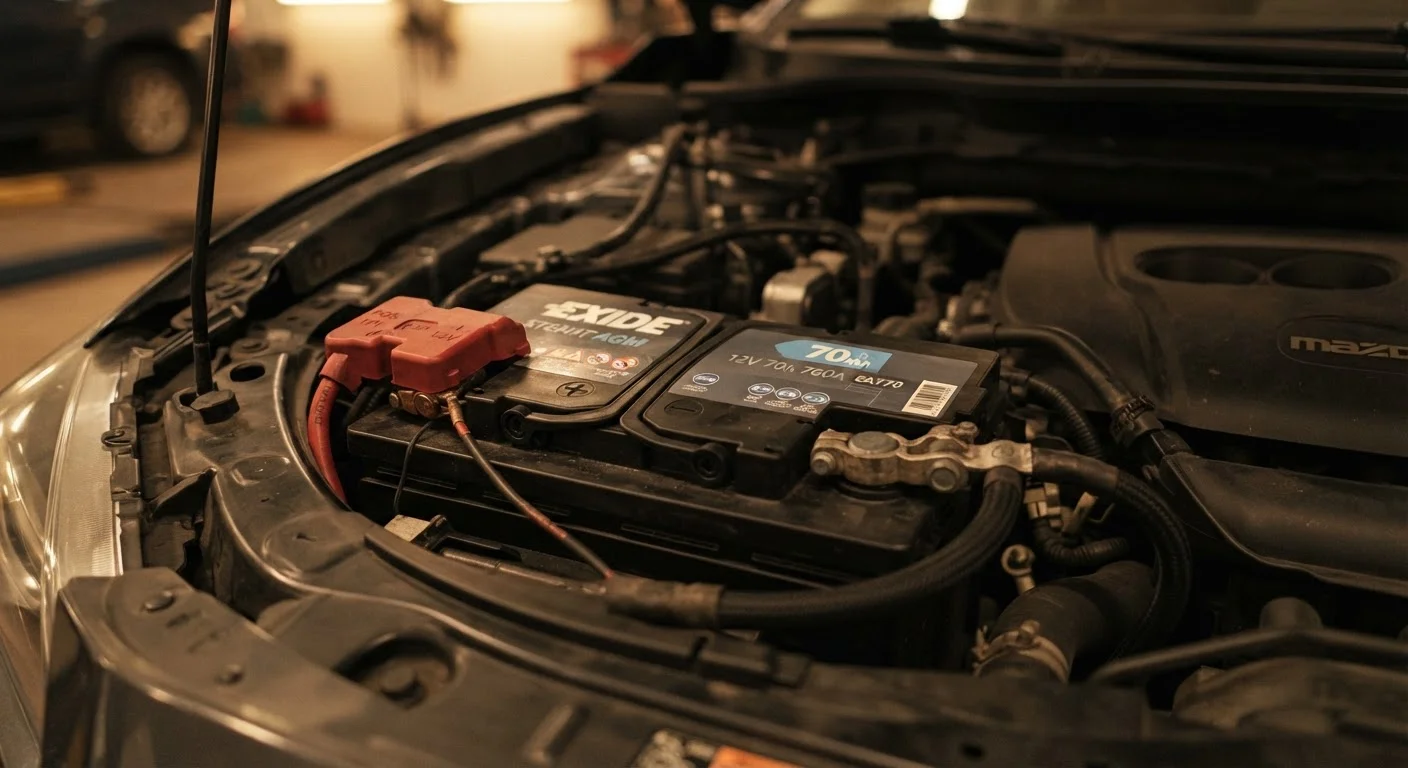
Car batteries typically last three to five years. On a high-mileage vehicle, a weak battery places extra strain on the alternator — which charges the battery while the engine runs — potentially shortening the alternator's life. Testing battery health annually with an inexpensive load tester (available at most auto parts stores) is a straightforward precaution.
Older wiring harnesses can develop cracked insulation, corroded connectors, and intermittent faults that are notoriously difficult to diagnose. If you notice flickering lights, unexplained fuse failures, or accessories that work intermittently, have a qualified mechanic inspect the electrical system. Ignoring wiring faults carries a real fire risk.
Spark plugs and ignition coils also degrade over time. Modern iridium or platinum plugs can last 100,000 miles, but conventional copper plugs wear far sooner. Misfires waste fuel and can damage the catalytic converter — an expensive component. If your vehicle hesitates during acceleration or the check engine light appears, addressing ignition components promptly is worthwhile. Deciding which of these tasks to handle yourself versus taking to a shop is covered in our DIY vs. shop guide.
When to Repair vs. When to Move On
At some point, every high-mileage vehicle presents a repair bill that prompts a genuine question: is continued investment worthwhile? There's no universal answer, but a practical framework helps.
Compare the repair cost against the vehicle's realistic market value — not what you feel the car is worth, but what similar vehicles actually sell for in your area. If a single repair exceeds 50–75% of that value, and the vehicle has multiple other known issues, the economics of continued ownership become difficult to justify.
That said, a well-maintained older vehicle with a single large repair can still represent better value than taking on a new car payment — particularly if the rest of the car is in solid condition. The key is having an honest picture of the vehicle's overall health, ideally through a pre-repair inspection by a trusted mechanic.
If you're weighing whether to keep an aging vehicle or start fresh, our car-buying guidance can help you think through the alternatives without pressure.
High-mileage vehicle ownership rewards attentiveness. The drivers who get 200,000 miles out of a car aren't lucky — they're consistent.