
Why Seasonal Preparation Matters
Temperature extremes are among the leading causes of preventable vehicle breakdowns. Summer heat accelerates chemical degradation in rubber hoses, stresses your cooling system, and speeds up battery failure. Winter cold reduces battery output, causes tire pressure to drop overnight, and thickens engine oil — all of which increase wear and the chance of a no-start morning.
The good news is that most seasonal preparation steps are straightforward, low-cost, and take less than an hour. If you're newer to vehicle ownership, our plain-English introduction to car maintenance is a helpful foundation before diving into the checklist below.
Drivers with older vehicles should pay especially close attention — components that hold up under moderate conditions often fail at temperature extremes. Our guide on high-mileage vehicle care explains what to prioritize when your car has significant miles on it.
How to Use This Checklist
Work through the checklist twice a year: once in spring before temperatures climb, and again in the fall before the first freeze. Each item is labeled by priority — must items address safety-critical systems, should items strongly reduce breakdown risk, and nice-to-have items are helpful refinements worth doing when time allows.
For any item you're unsure about, err on the side of having a mechanic take a look. A visual inspection you're not confident in is worth less than a professional one. You'll also find the tools most useful for completing these checks listed in the tools section.
Tire Pressure Gauge
Accurately measures tire pressure in both hot and cold conditions — digital or dial-type gauges are more reliable than stick gauges.
Battery Load Tester
Checks the battery's ability to hold voltage under a real electrical load, revealing weakness before a no-start situation occurs.
Antifreeze Hydrometer or Refractometer
Tests the freeze and boil-over protection level of your coolant mixture without draining the system.
Tire Tread Depth Tool or Quarter
Measures remaining tread depth to determine whether tires are safe for continued use.
Jumper Cables or Portable Jump-Start Pack
Provides an emergency start if your battery fails in cold weather far from assistance.
If you're planning a long road trip, consider pairing this seasonal check with our pre-trip vehicle checklist for extra peace of mind before you leave home. And once your vehicle is in good shape, it's also a smart time to review your auto insurance policy to make sure your coverage reflects your current situation.
Seasonal Maintenance Checklist
Run through the grouped items below, checking off each one as you go. Summer and winter groups are kept separate so you can focus on whichever transition is coming up.
Summer Prep: Cooling & Fluids
Summer Prep: Tires & Battery
Summer Prep: AC & Visibility
Winter Prep: Battery & Fluids
Winter Prep: Tires & Brakes
Winter Prep: Visibility & Emergency Kit
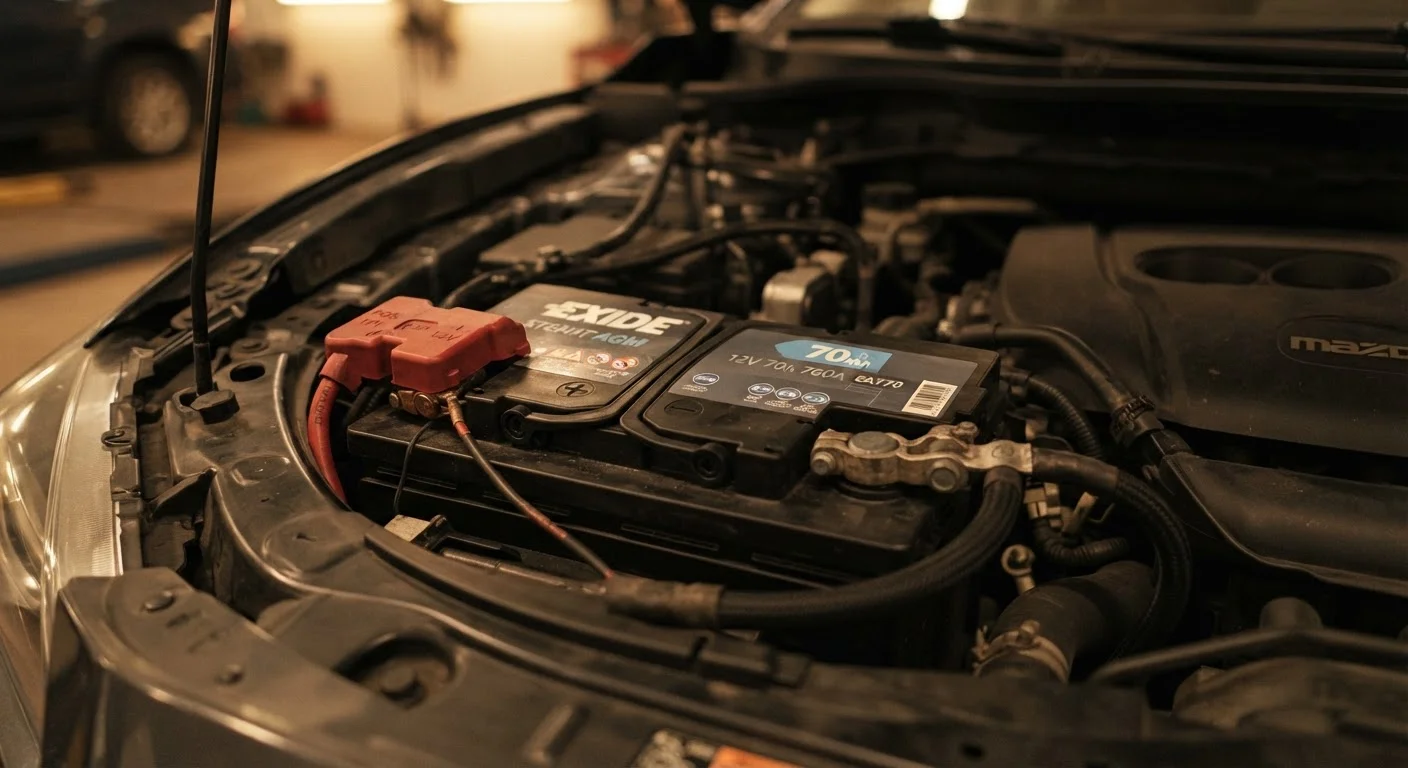
Don't Skip the Battery Test
A battery that seems fine in warm months can fail suddenly once temperatures drop below 20°F. Heat silently degrades internal battery components, and cold then delivers the final blow. Have a mechanic or auto parts store run a load test — not just a voltage check — before each season transition. Learn what shortens battery lifespan to understand the full picture.
Check Coolant Before Hot-Weather Driving
Never open a hot radiator cap — pressurized coolant can cause serious burns. Wait at least 30 minutes after the engine has been off before checking coolant levels. If you notice the temperature gauge climbing into the red while driving, pull over safely and call for assistance rather than continuing to drive.
Know Your Limits — Call a Mechanic
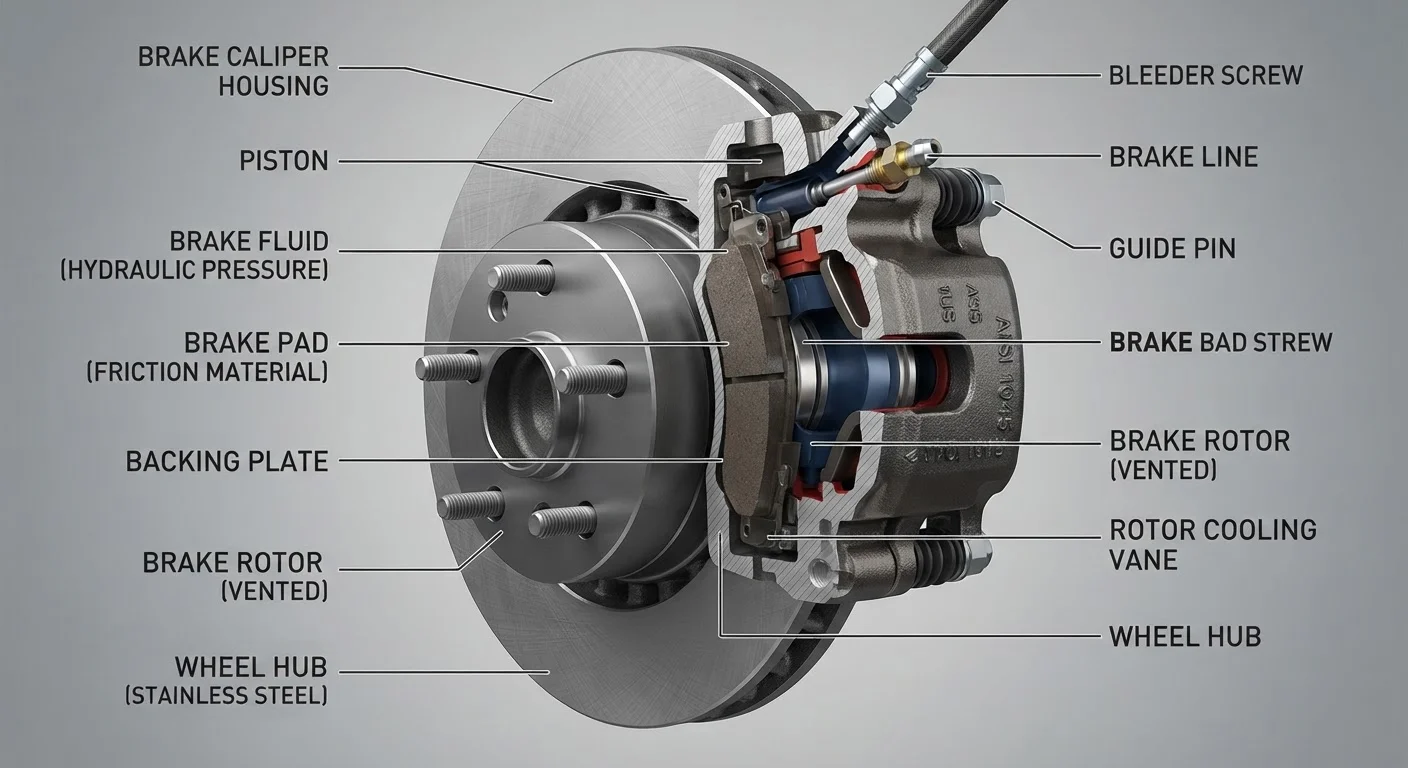
This checklist is designed for visual inspections and basic fluid checks that most drivers can perform safely. Tasks involving brake systems, cooling system pressure, refrigerant handling, or electrical diagnostics require proper training and equipment. When in doubt, have a qualified mechanic perform the inspection — the cost of a professional check is typically far less than a major breakdown or safety incident.
This checklist is intended for general informational purposes. Vehicle maintenance needs vary by make, model, age, and driving conditions. Always consult your owner's manual and a qualified mechanic for guidance specific to your vehicle.